
Grills
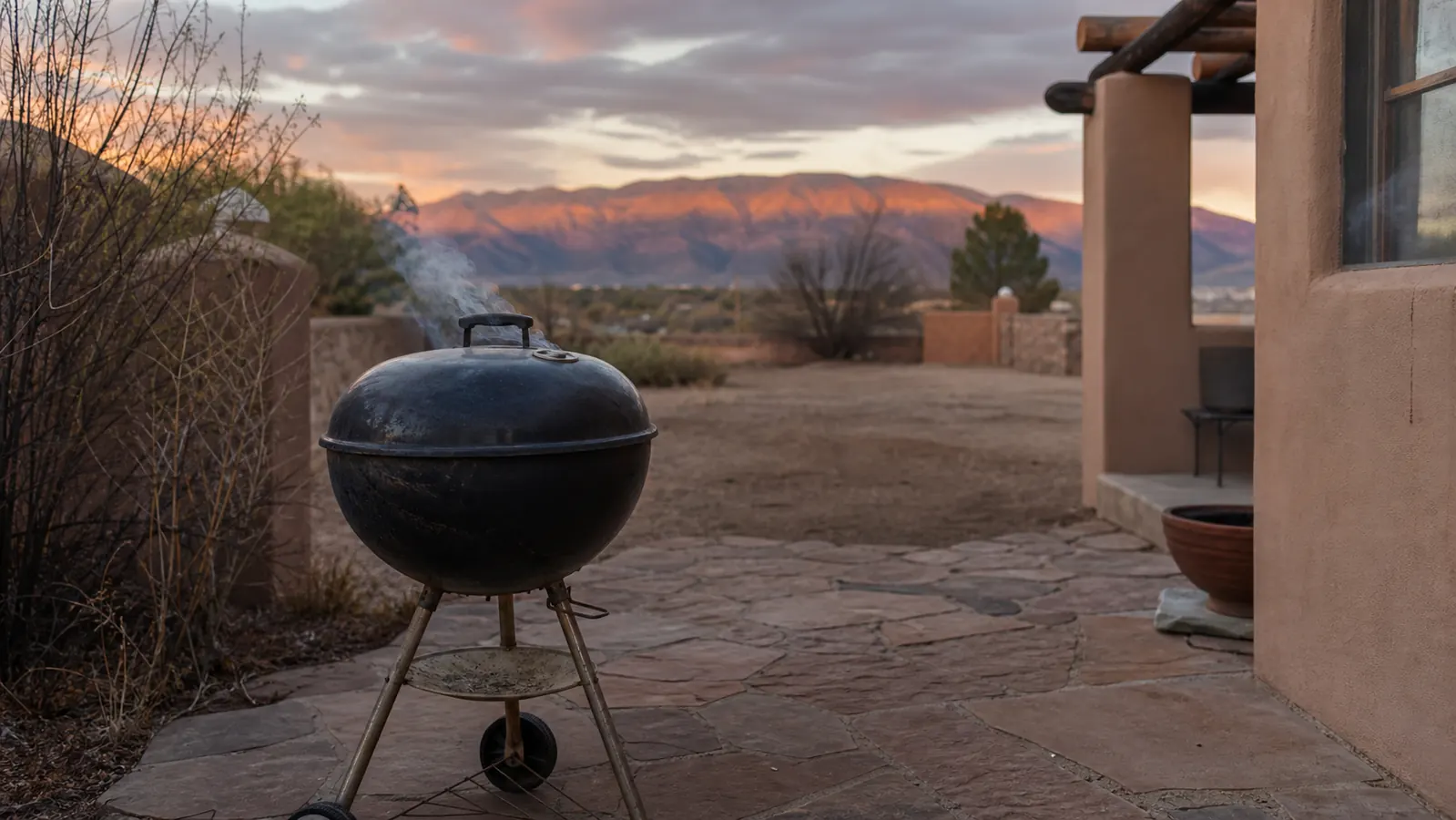
Weber Kettle Review: A Full Grilling Season on the 22-Inch
Twelve summers of cooking at 5,000 feet on the same Weber Original Kettle, and what's actually left to show for it.
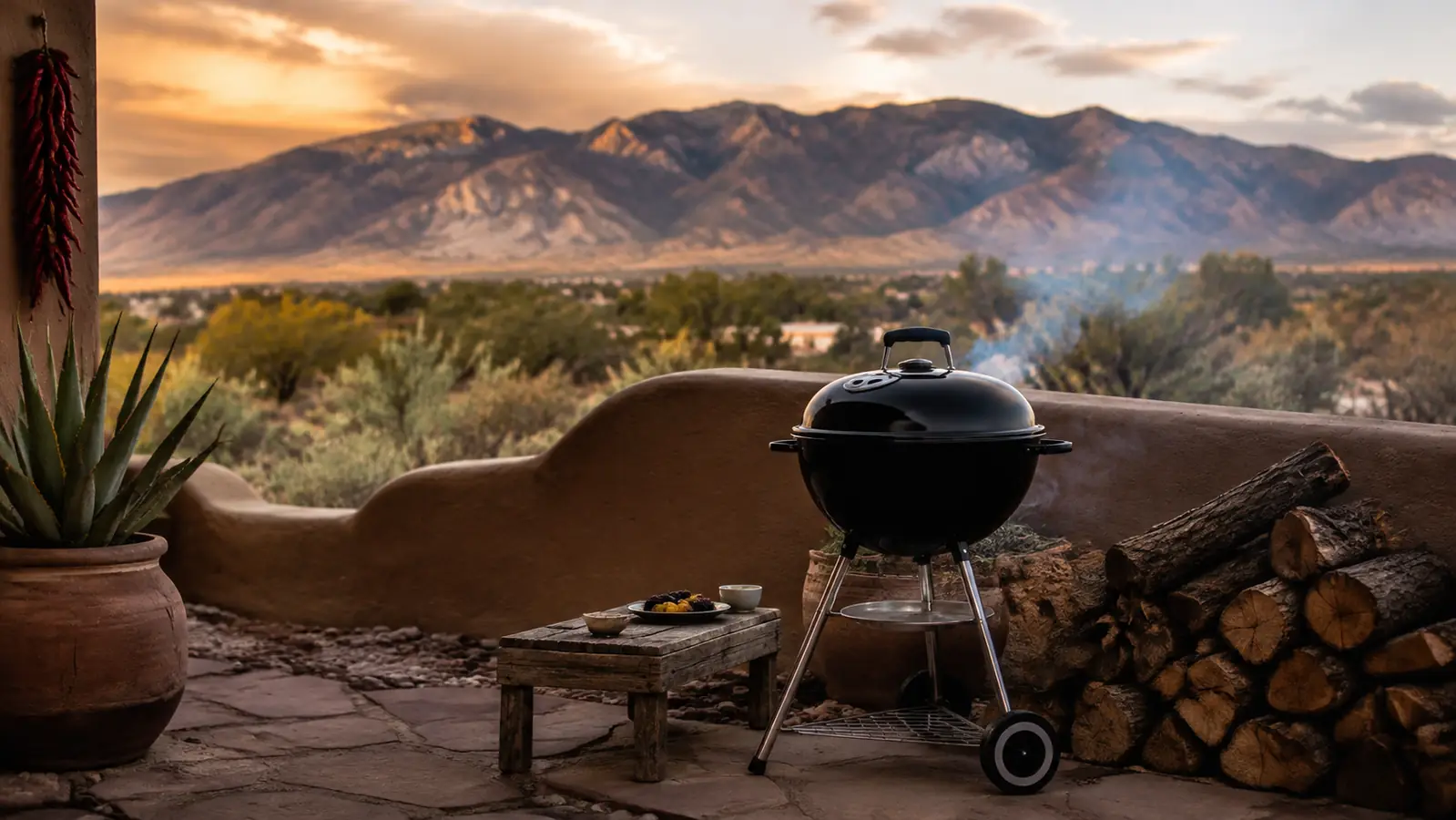
In the spring of 2015 I had three cookers crowding my patio. By that October I had one, and it was the Weber kettle nobody expected to win.
Twelve summers of cooking at 5,000 feet on the same Weber Original Kettle, and what's actually left to show for it.
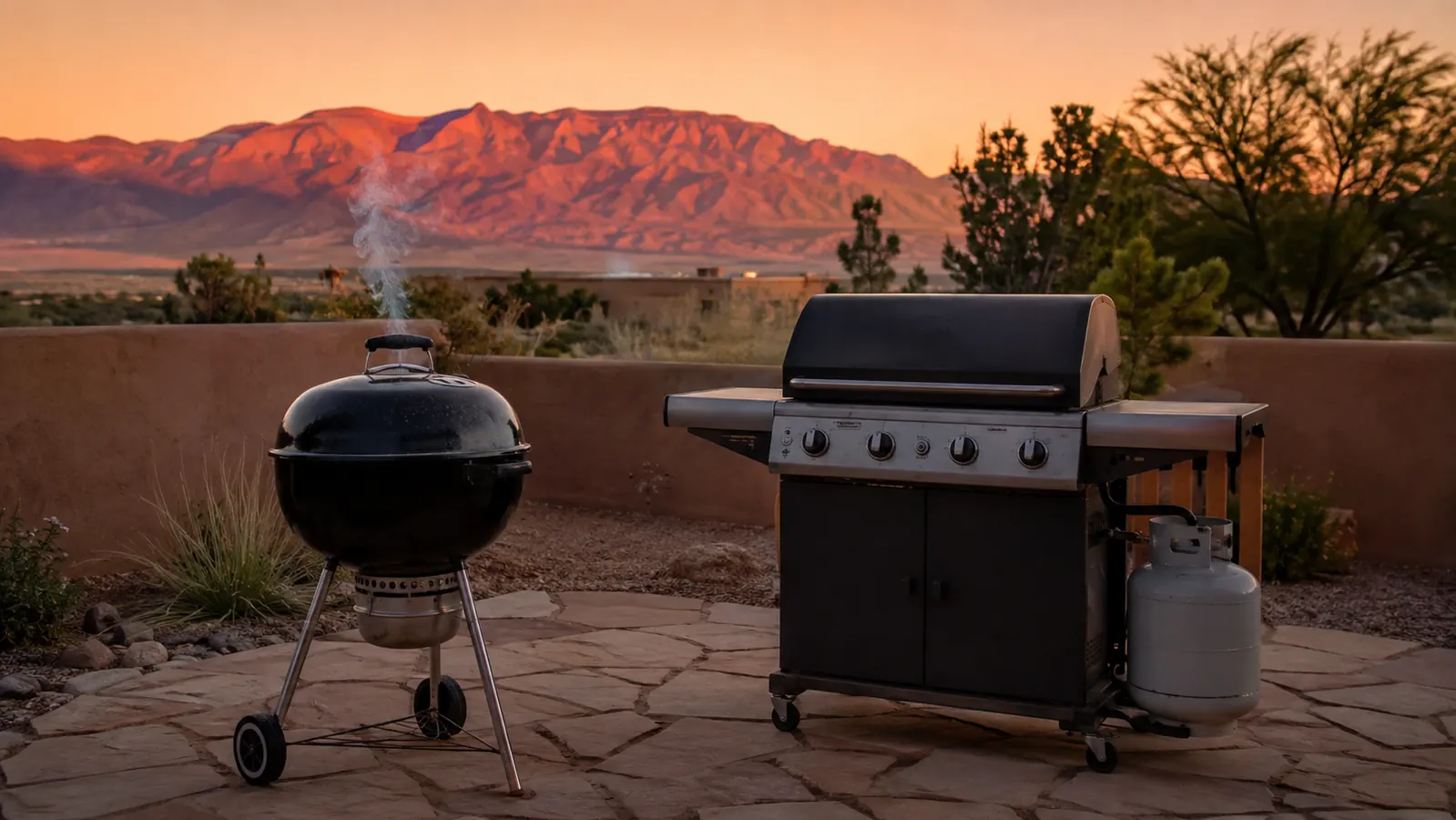
A straight comparison of charcoal kettle grilling against propane, from smoke flavor to Sunday-afternoon convenience, run at 5,000 feet where the numbers don't behave like the manual says.
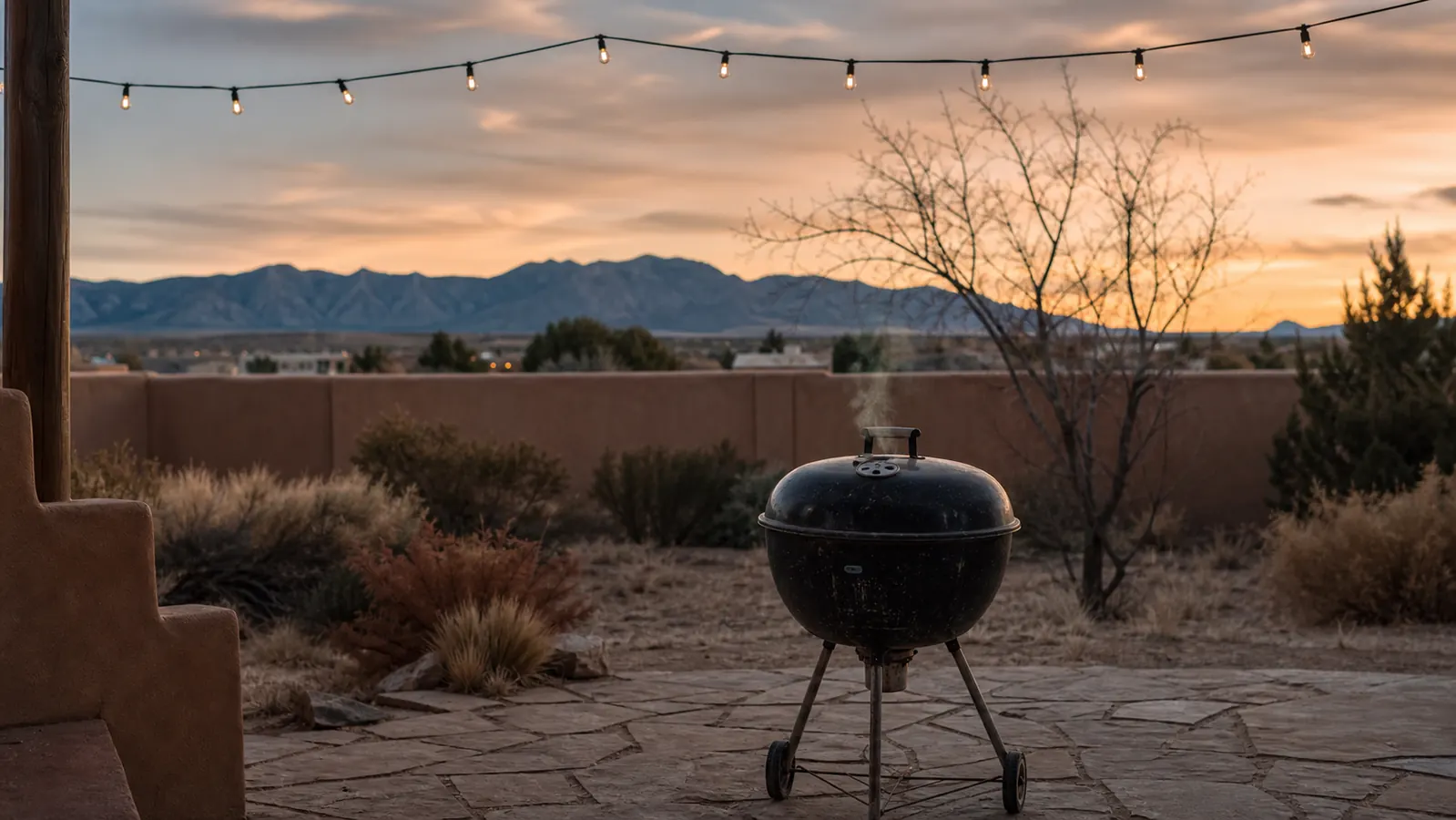
After twelve seasons on the same Weber Original Kettle at 5,000 feet, here's why I still haven't traded it for anything with a plug or a propane tank.
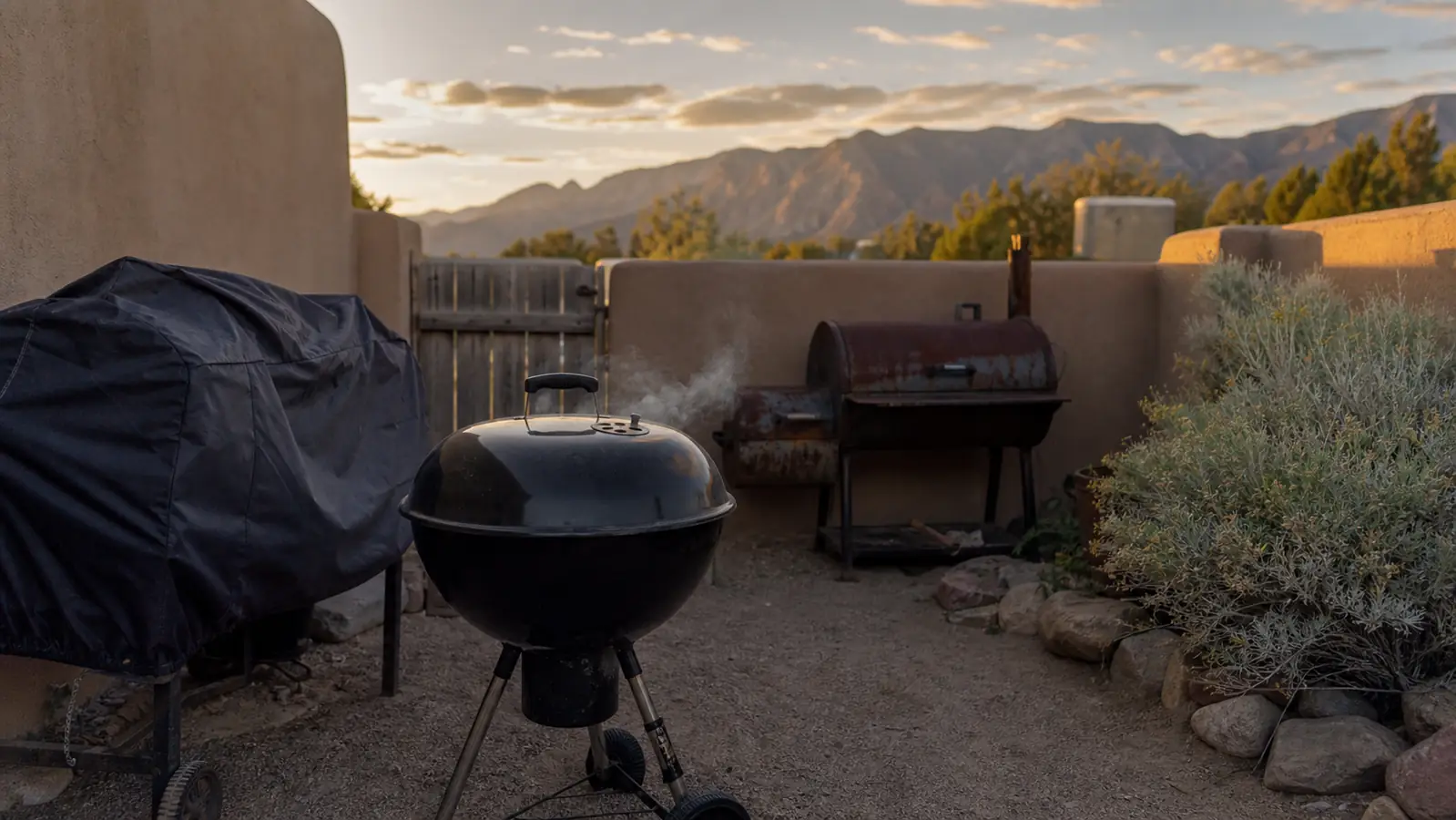
In the spring of 2015 I had three cookers crowding my patio. By that October I had one, and it was the Weber kettle nobody expected to win.
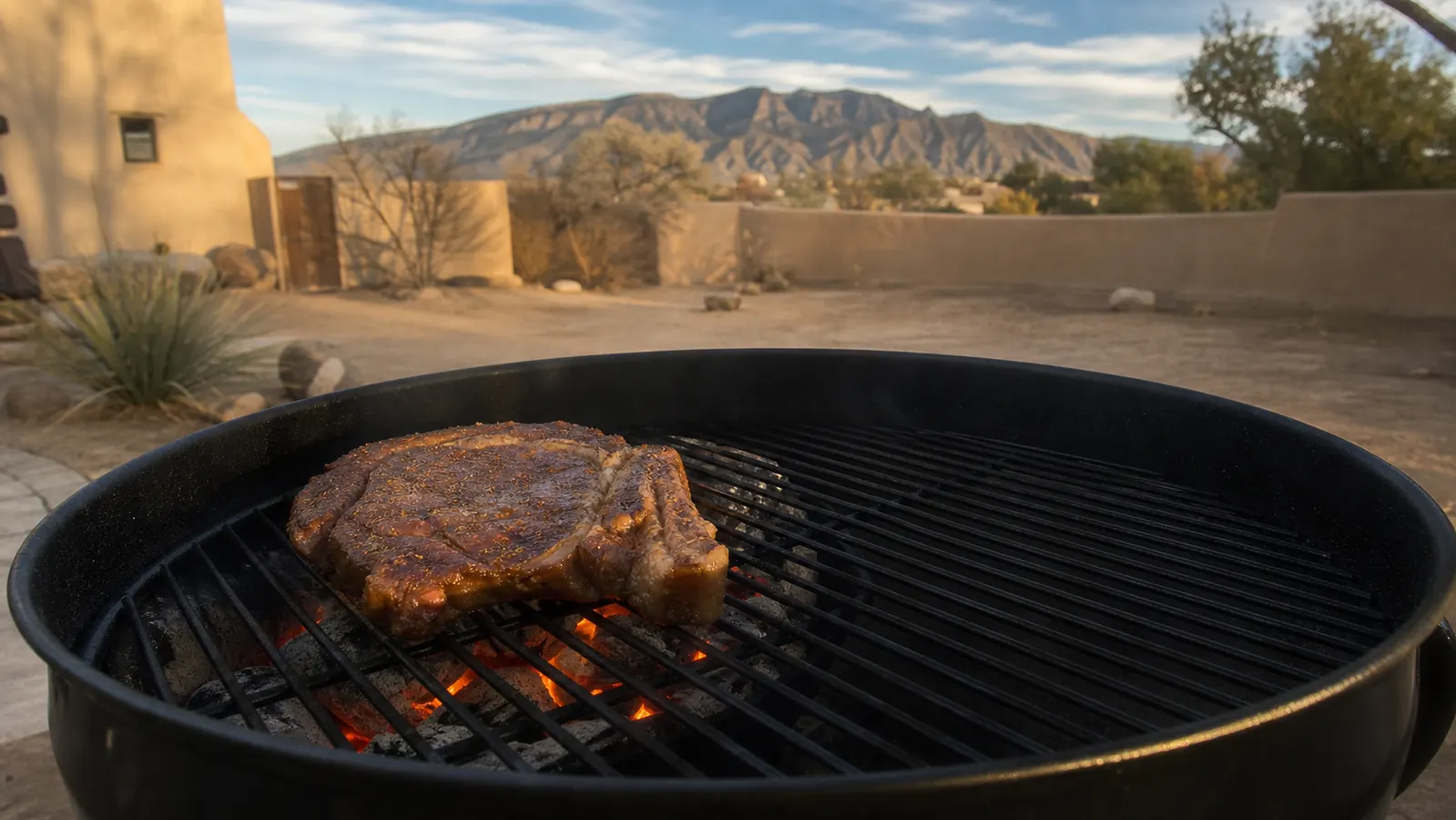
The exact two-zone method I run on my Weber kettle at 5,000 feet to get a hard, honest crust, wind and thin air included.
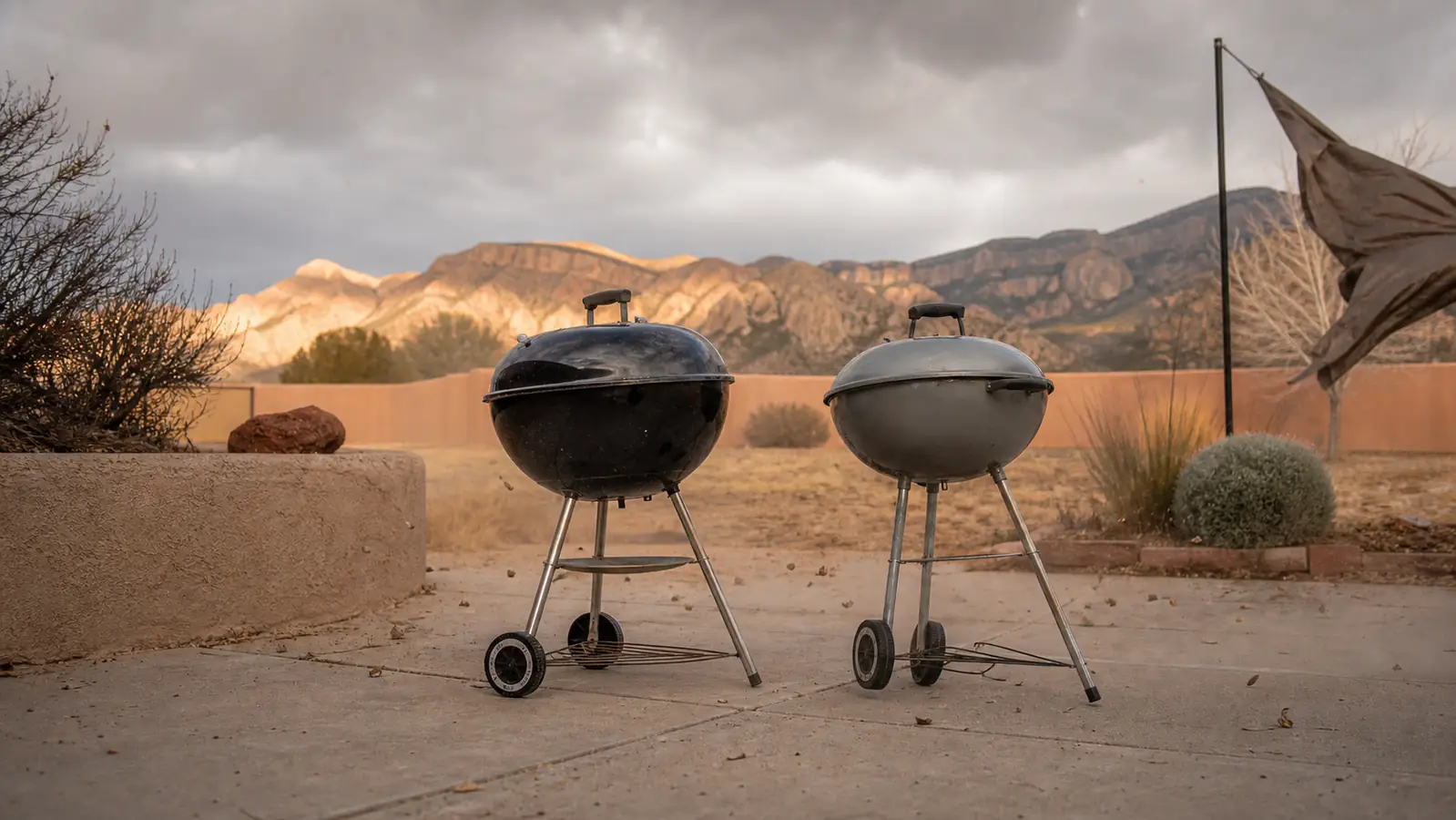
A second, harder look: a real wind test against a budget kettle, an assembly mishap nobody mentions, and whether 'Premium' actually buys you anything over Weber's base kettle.
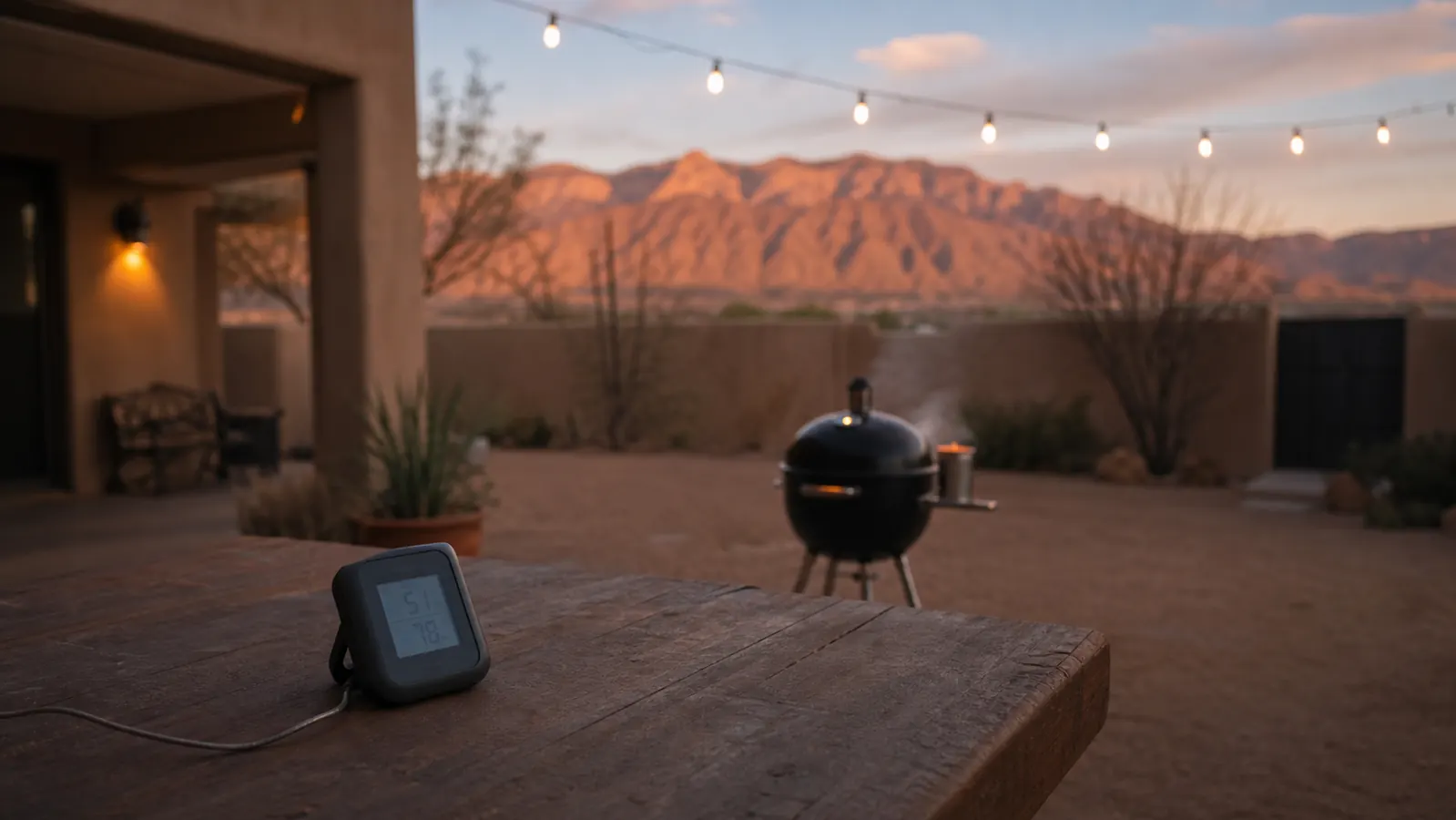
A full grilling season with the Inkbird IBT-4XS strapped to nearly every low-and-slow cook I ran, and the honest numbers on accuracy, range, and battery life.
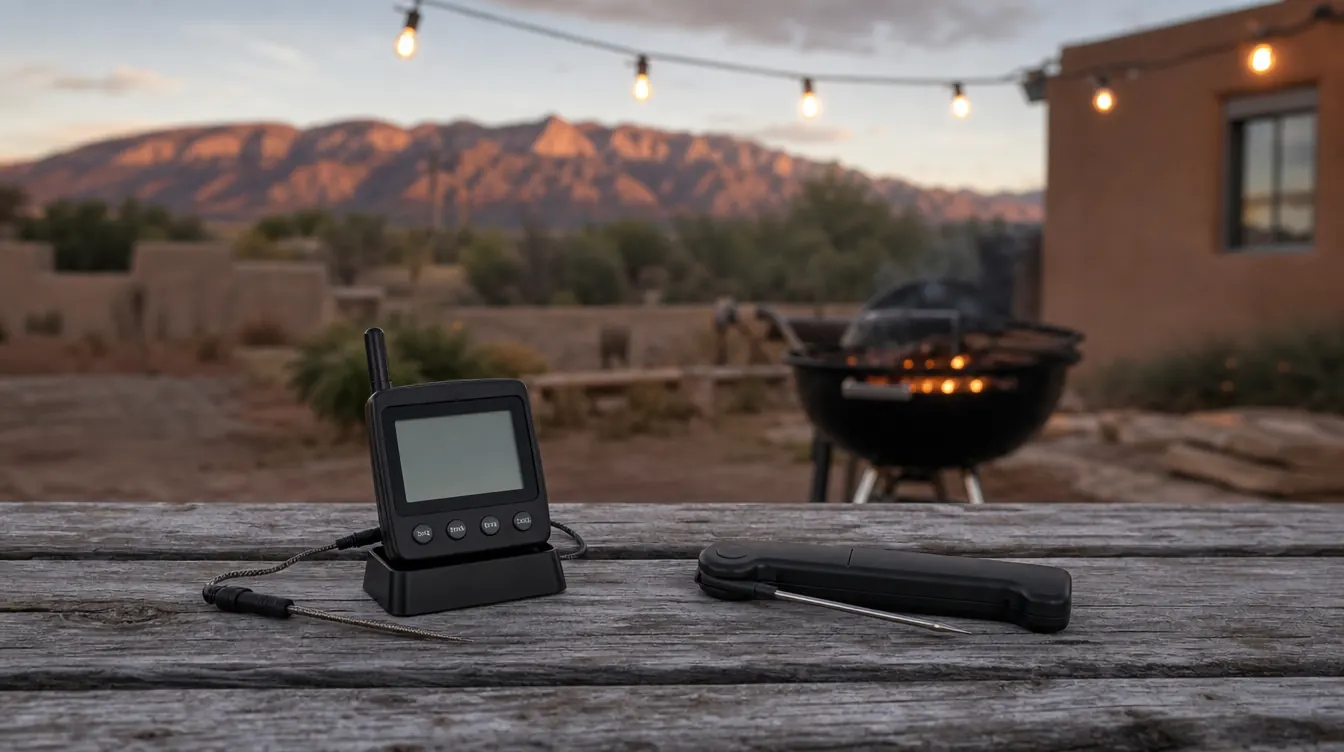
The Inkbird IBT-4XS against the folding instant-read I still keep in my apron pocket, and an honest answer on which one earns a spot in your kit.
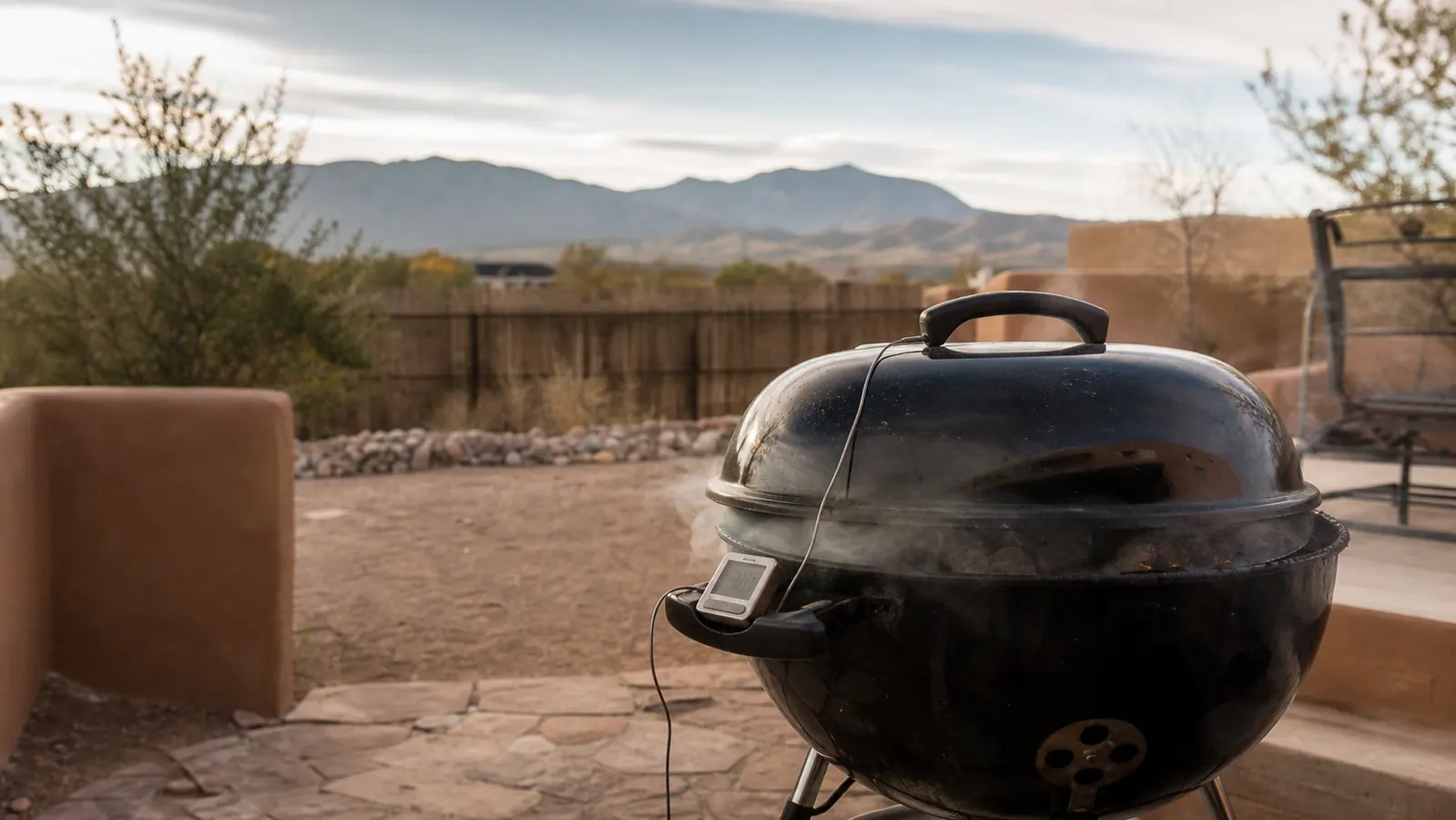
Ten specific things a Bluetooth leave-in probe fixed on my kettle at 5,000 feet, from fewer lid-lifts to zero ruined briskets in a year.
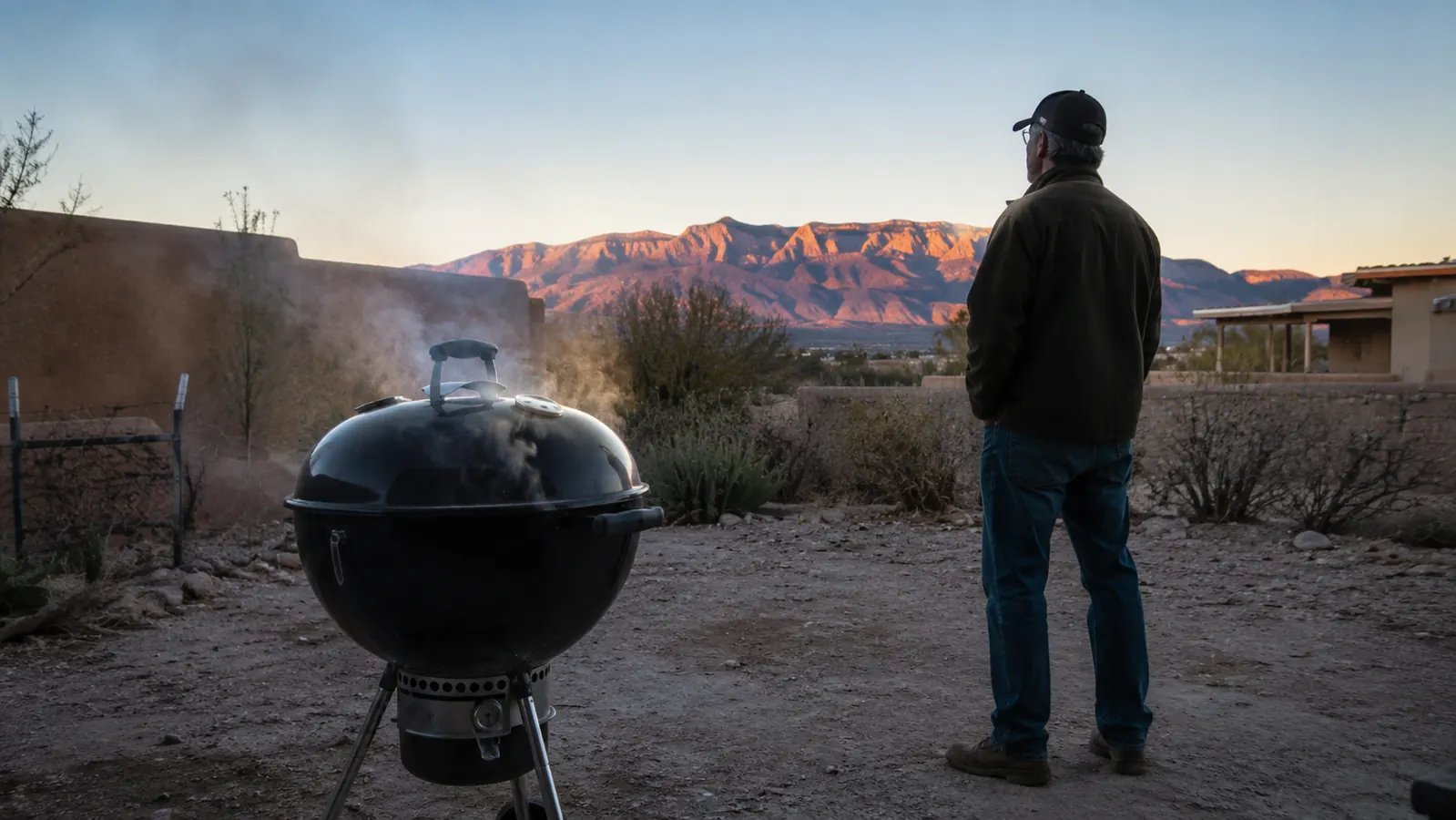
A Labor Day brisket, a dial thermometer that had been lying to me for months, and the redo three weeks later that changed how I cook.
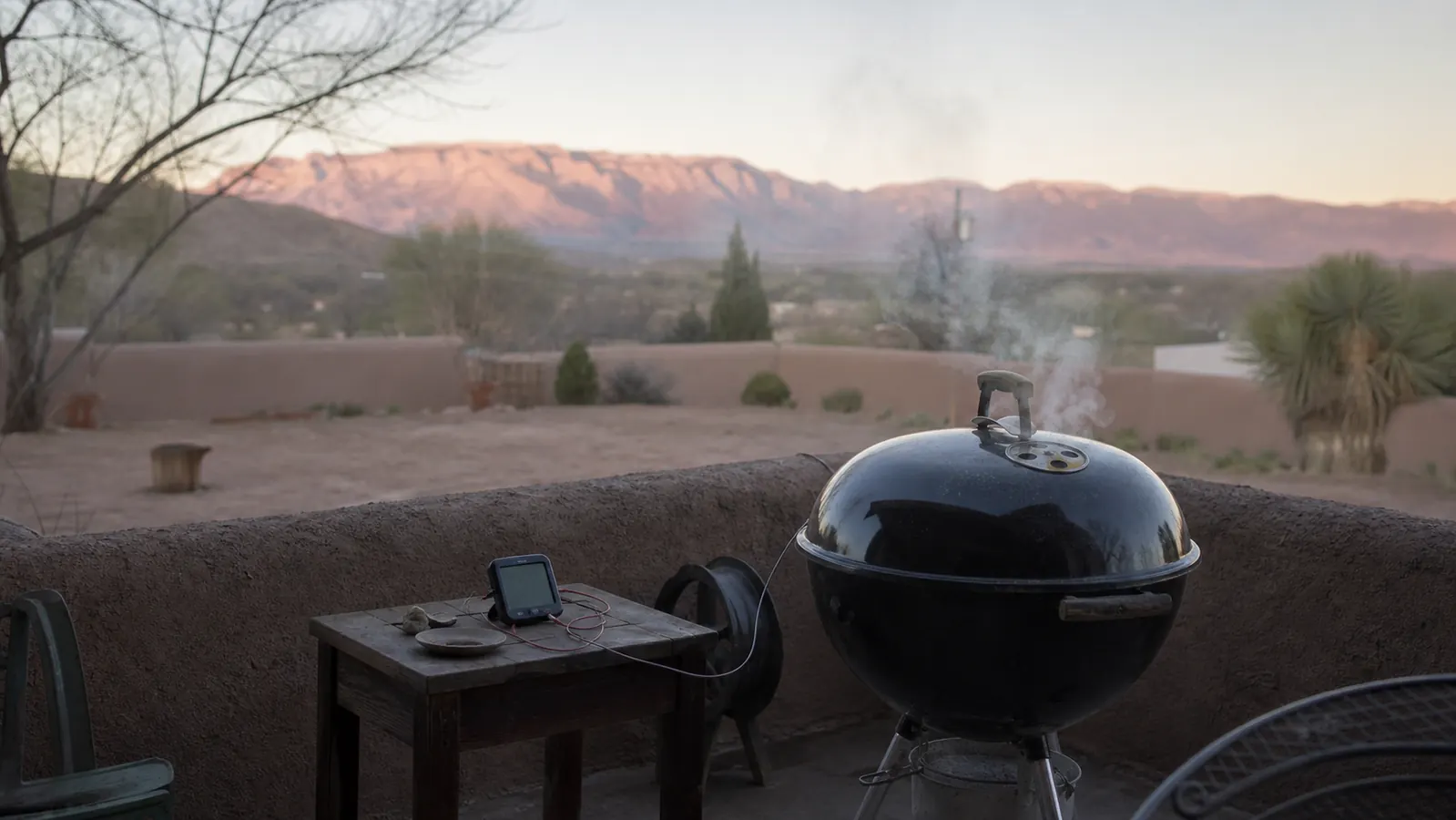
A step-by-step walkthrough of probe placement, alarm temps, and reading a wireless meat thermometer correctly, from someone who learned the hard way at 5,000 feet.
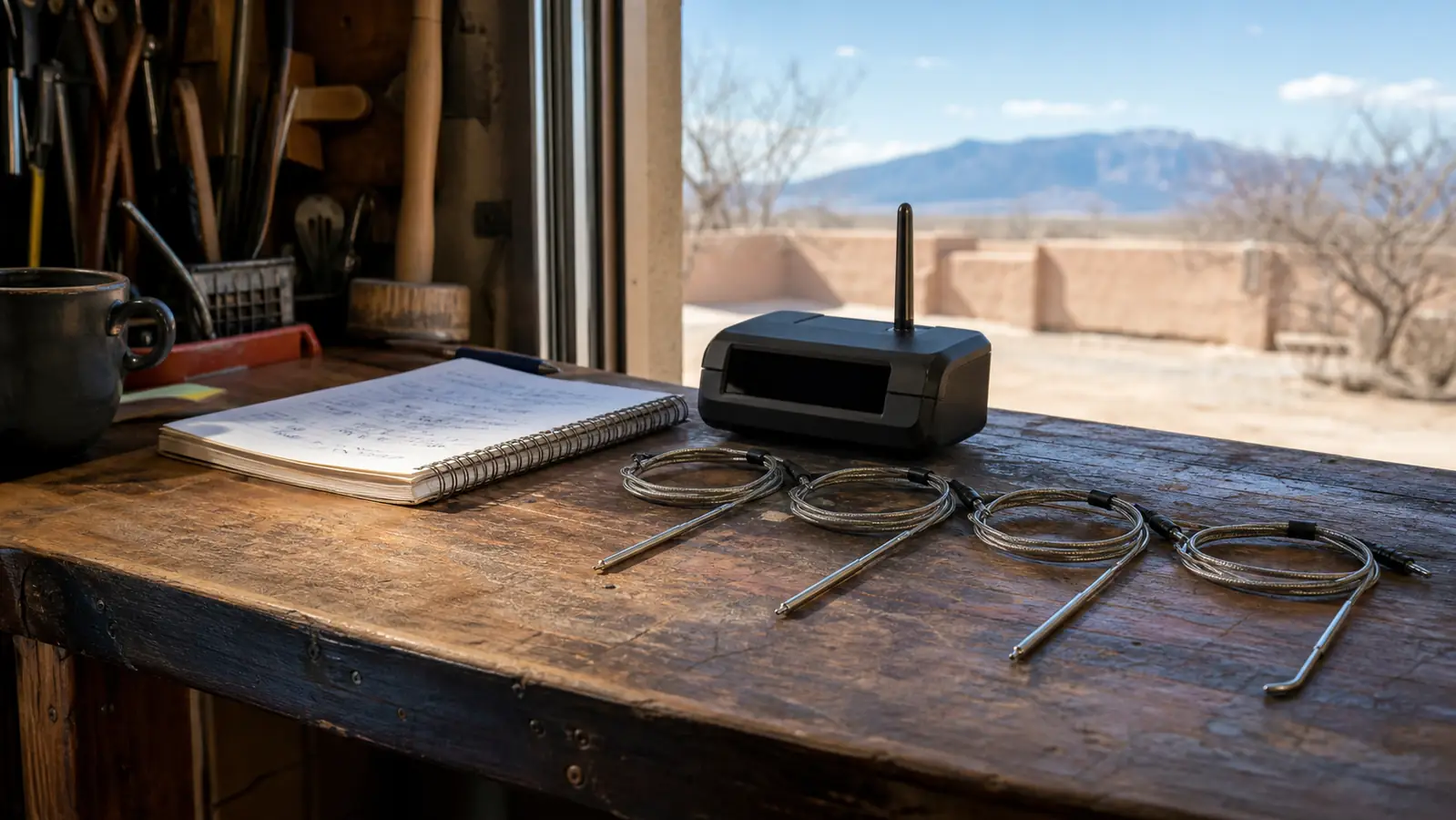
The stuff about the Inkbird IBT-4XS that never made it into my first review: what the app doesn't tell you, what direct flame does to the probe boots, and why four probes is a bigger number than most kitchens actually use.
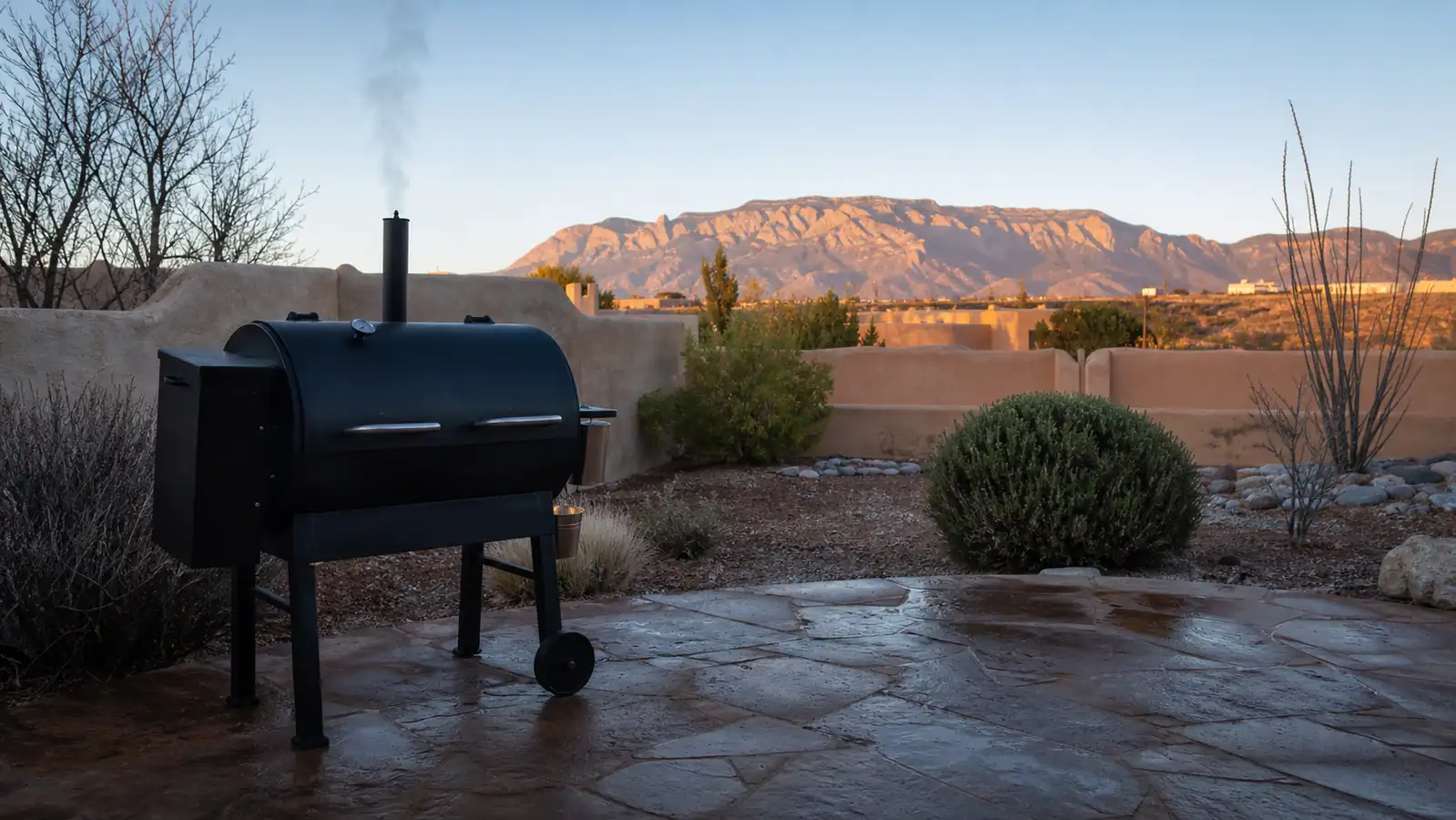
Nine bags of Traeger Hickory pellets, one pellet grill on an Albuquerque patio, and the real numbers on burn rate, ash, and smoke over a full season.
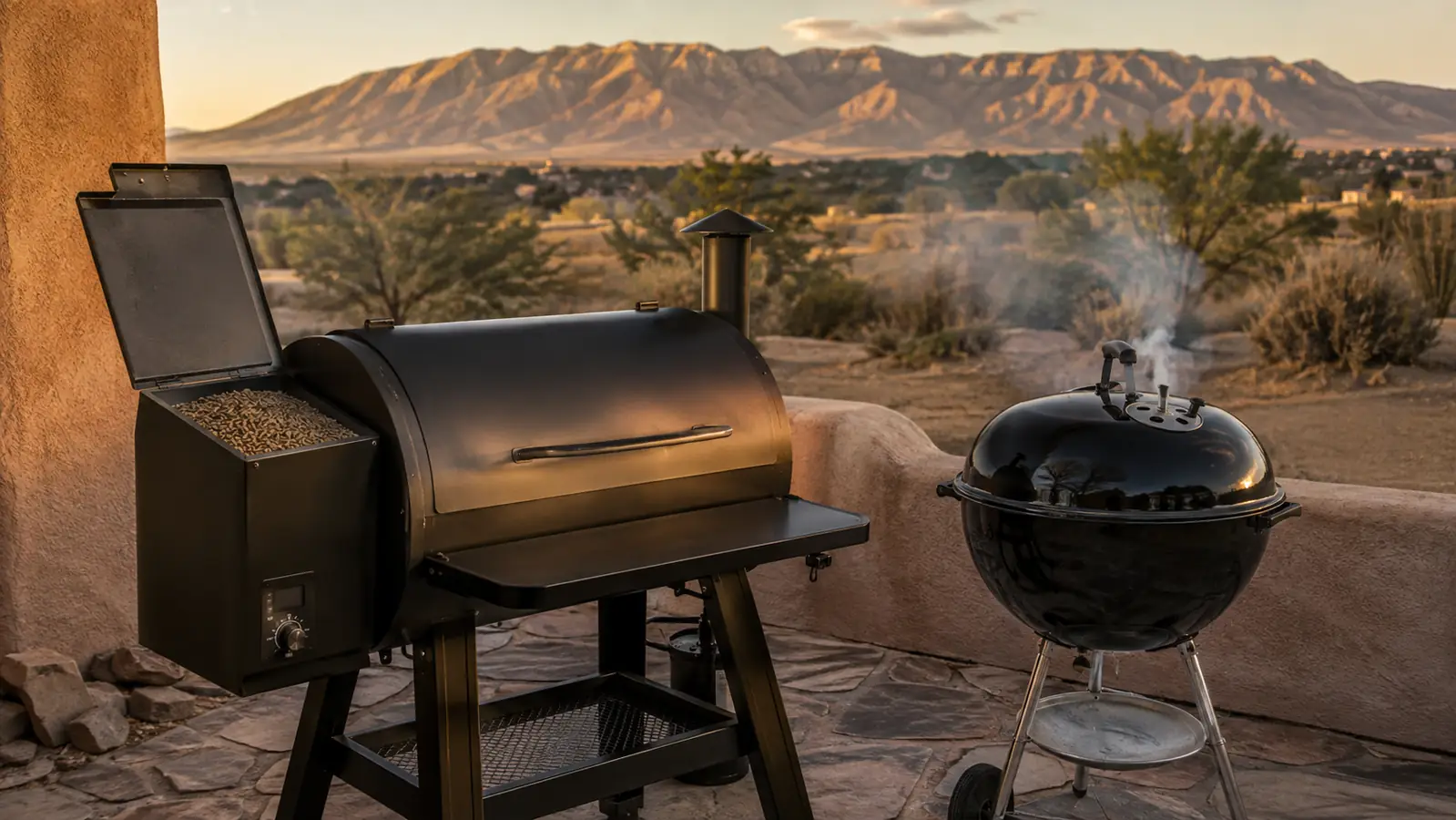
Traeger's Hickory pellets against lump charcoal in my kettle, cook after cook, with an honest answer on which fire actually earns its spot on a 5,000-foot patio.
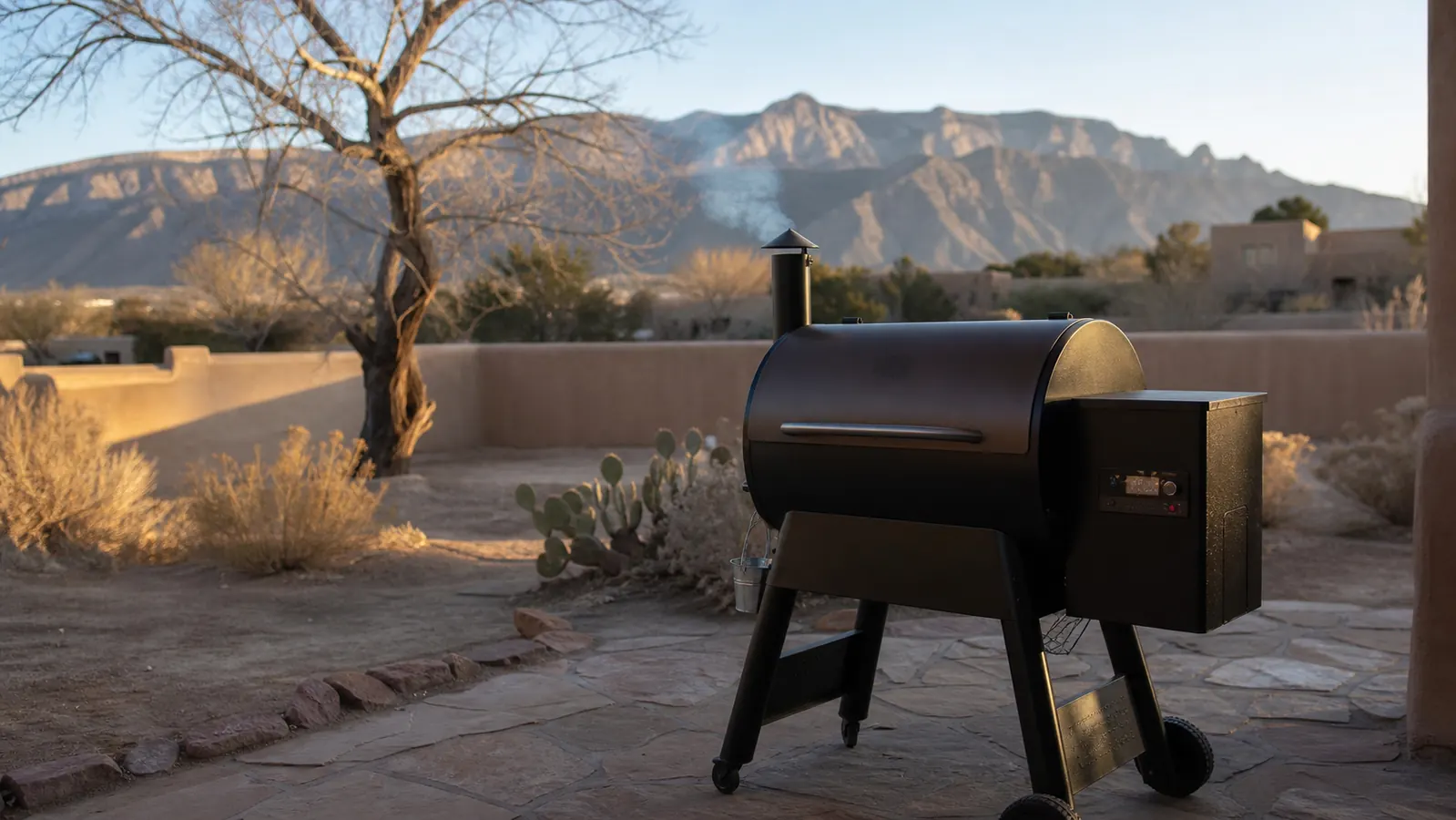
What a pellet is actually made of decides more about your smoke flavor than the species name printed on the bag.
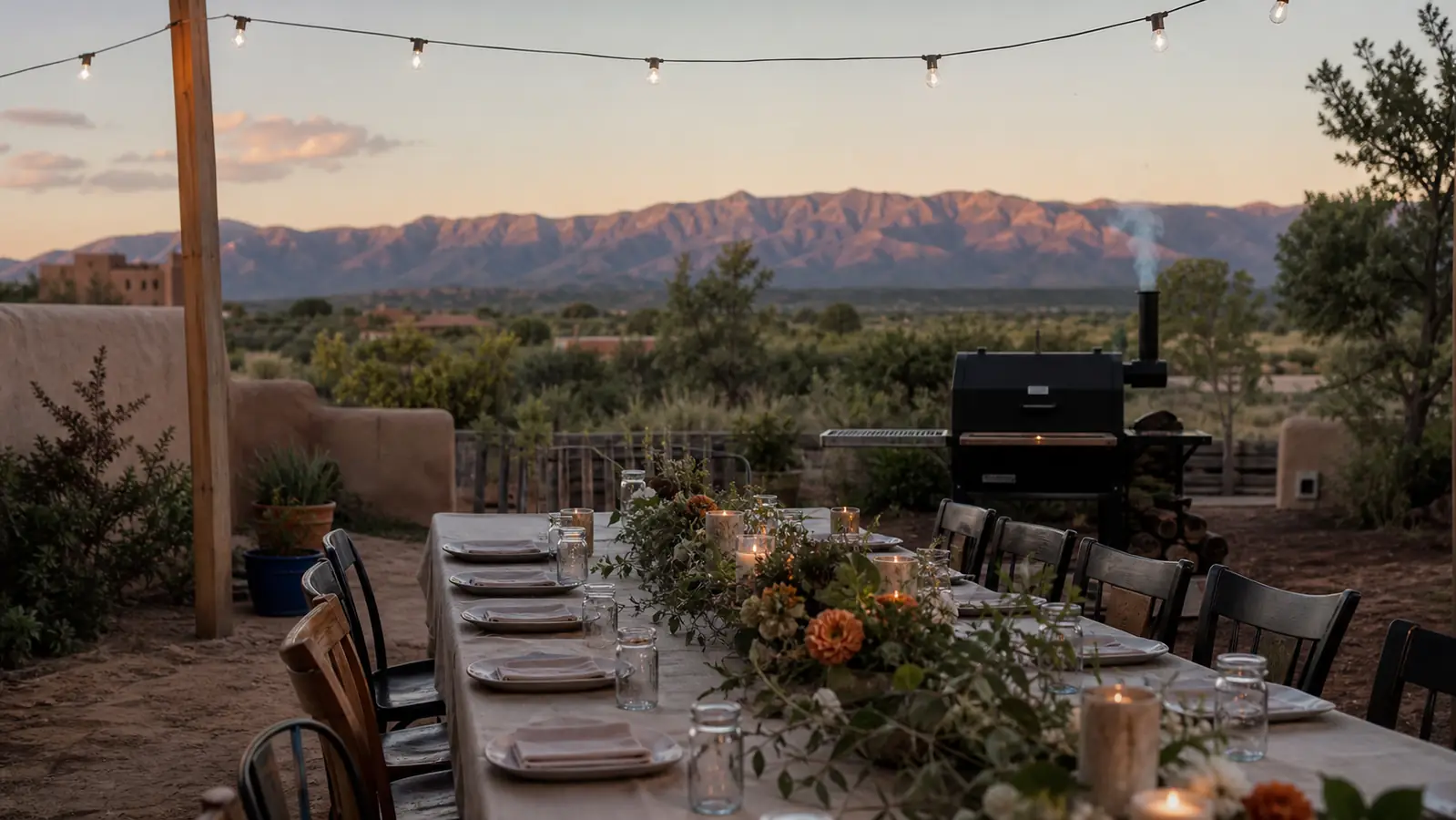
I spent a week blaming my own hands for a bitter batch of ribs before I ever looked at what was in the hopper.
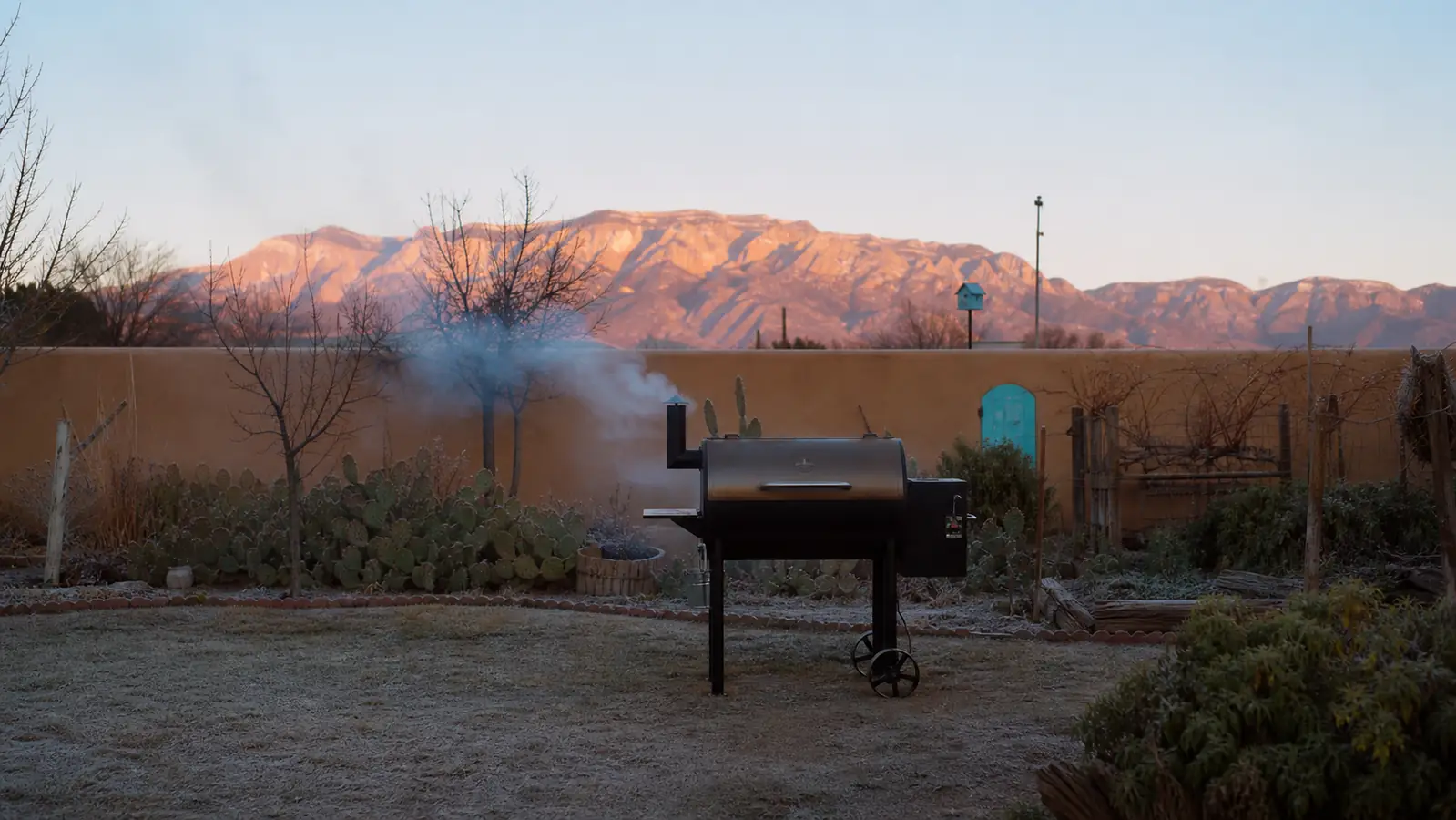
The ring is chemistry, not a rub trick. Here is the exact sequence I use on my Traeger to get a true quarter-inch smoke ring instead of a gray slice.
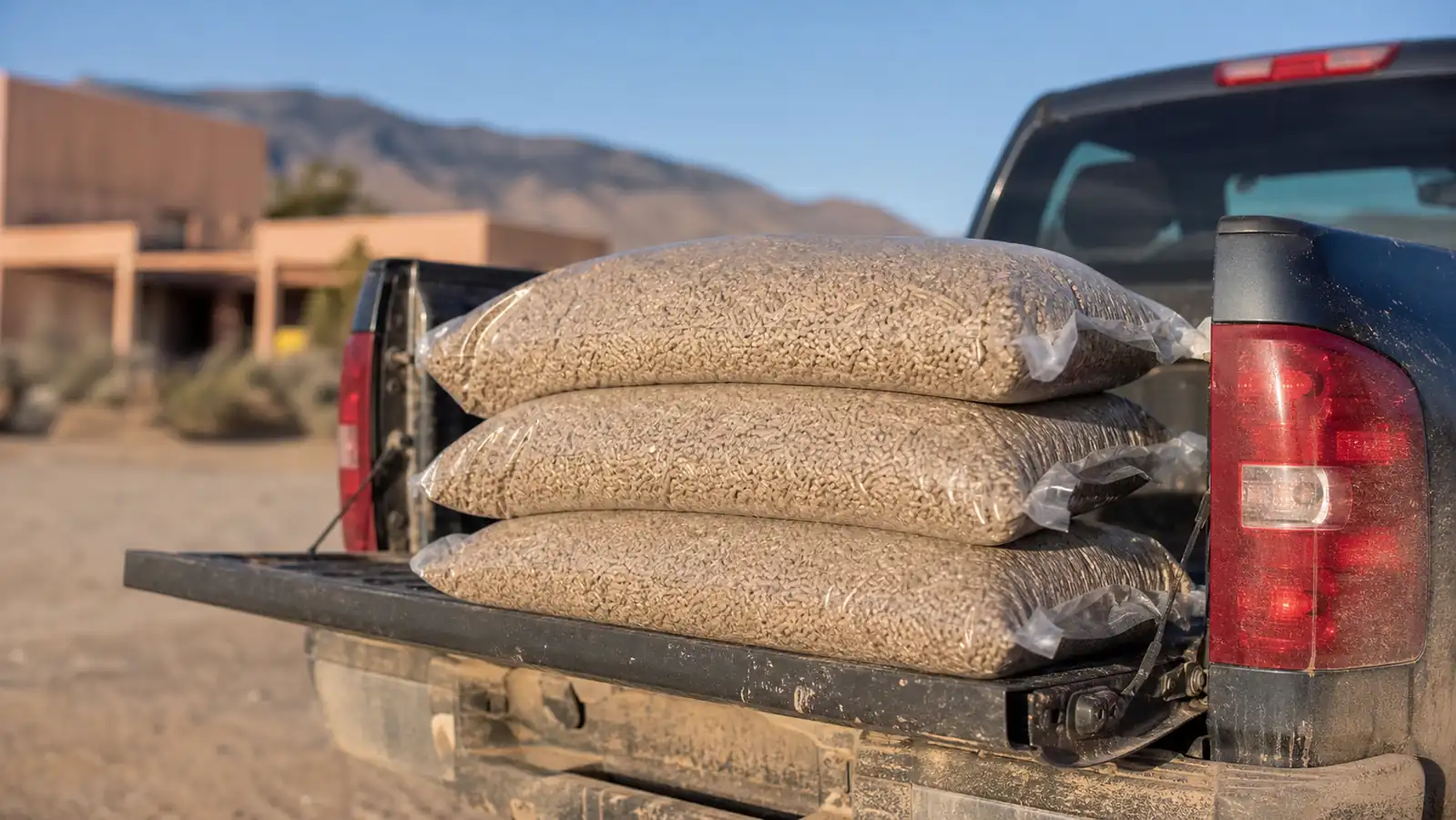
A second, more skeptical look at Traeger Hickory pellets against the mesquite and pecan blends Wes reaches for most, and what the bag doesn't tell you.
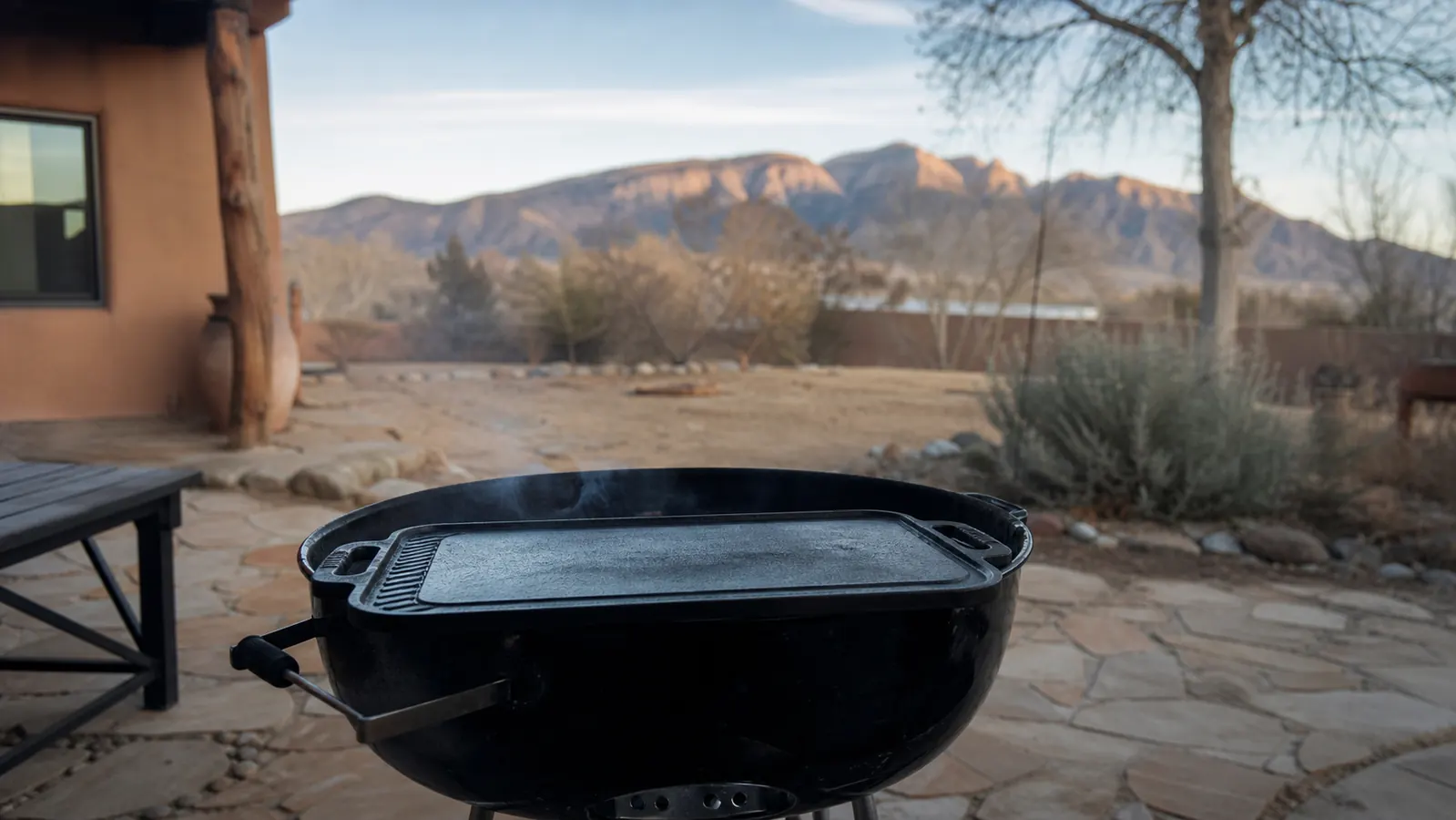
Fourteen months of smash burgers, eggs, and green chile on the same Lodge reversible griddle, run right on top of a kettle grill at 5,000 feet.
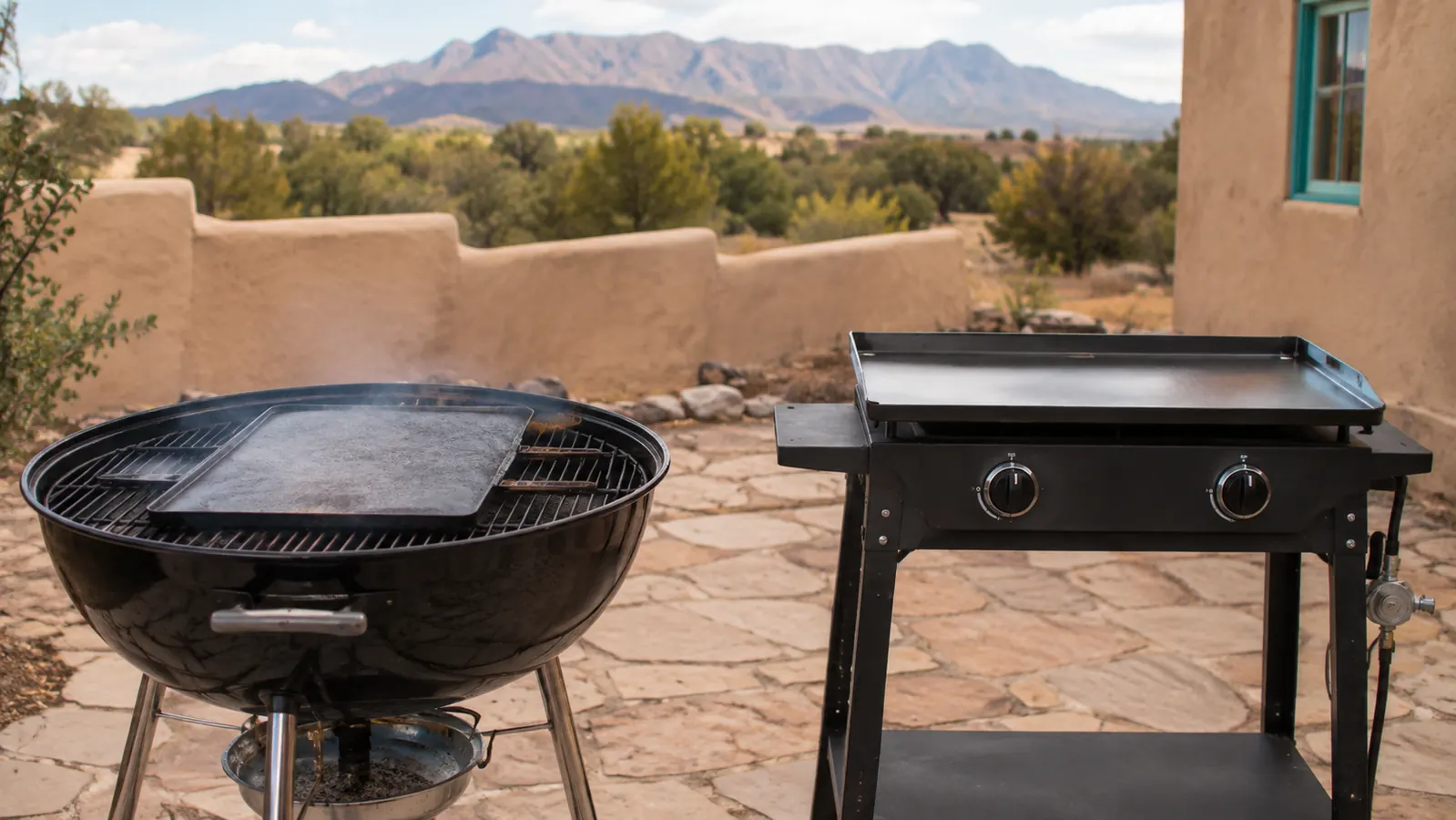
A straight comparison between the Lodge reversible cast iron griddle riding on my kettle and a Blackstone tabletop steel flat top, run through real weekends at 5,000 feet.
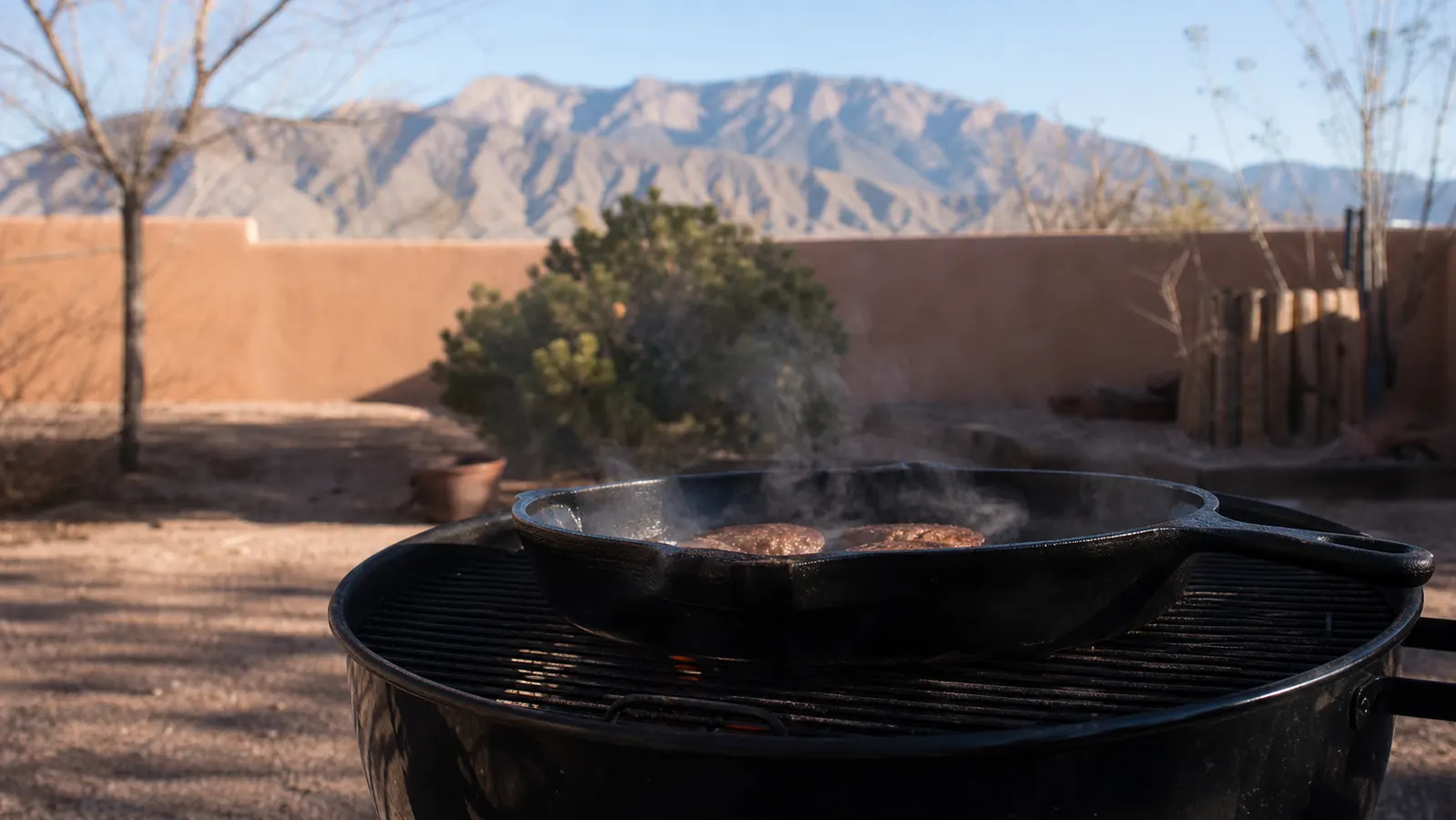
Ten specific reasons Wes hasn't cooked breakfast on a stove since he set a Lodge cast iron griddle over his kettle.
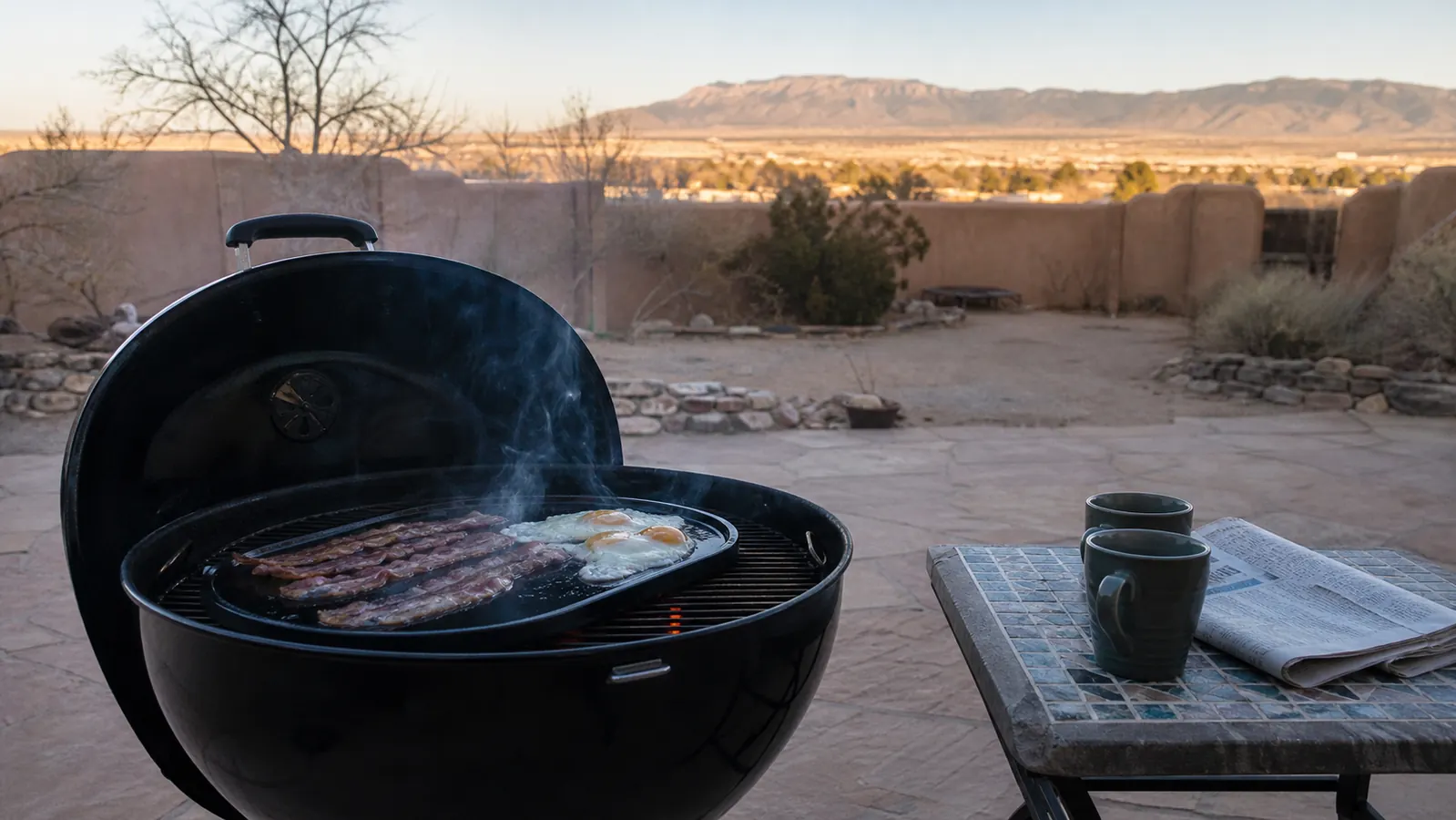
For six years, Sunday mornings in our kitchen came down to who got the front burner first. A cast iron griddle and a kettle grill settled it.
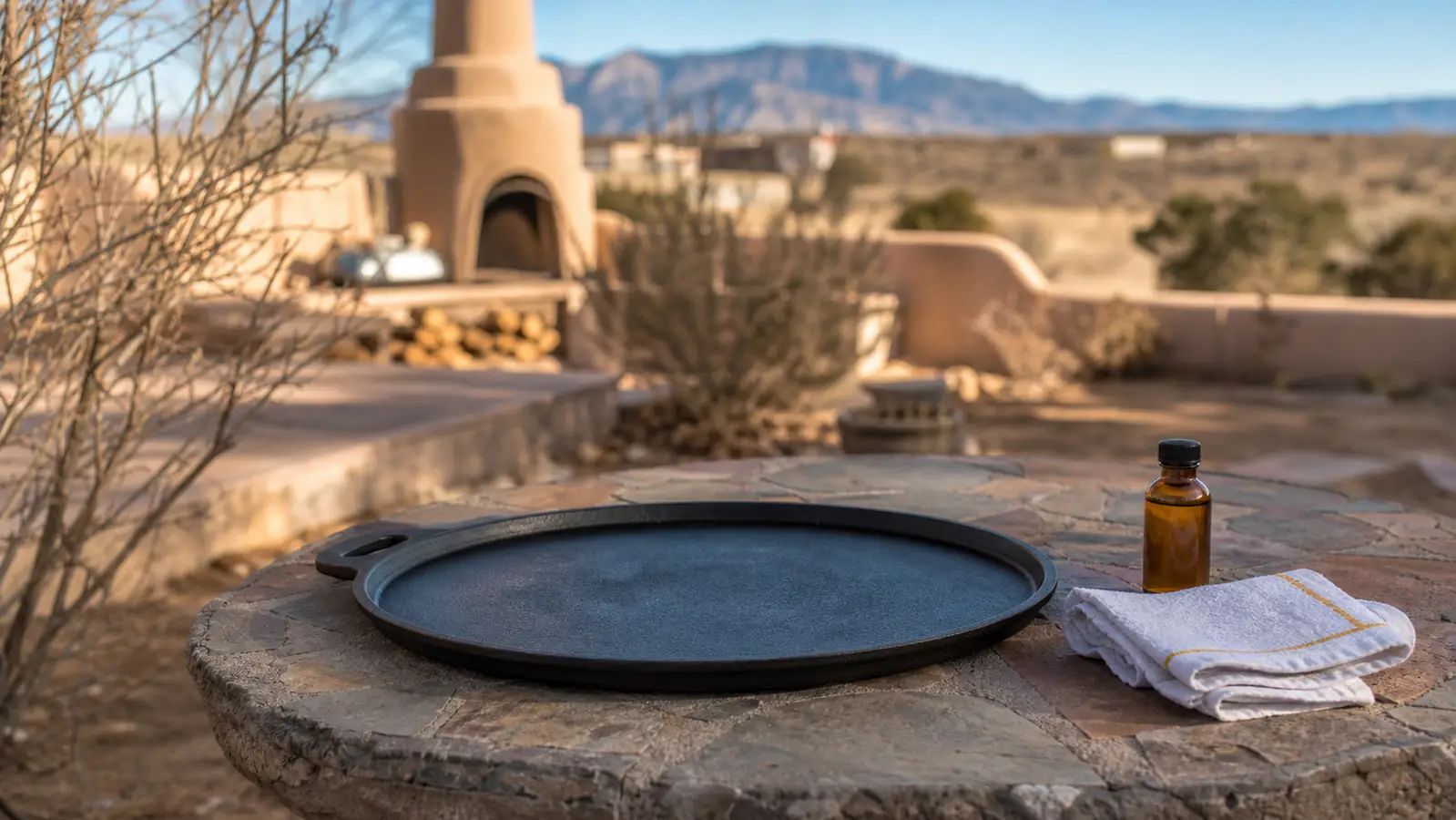
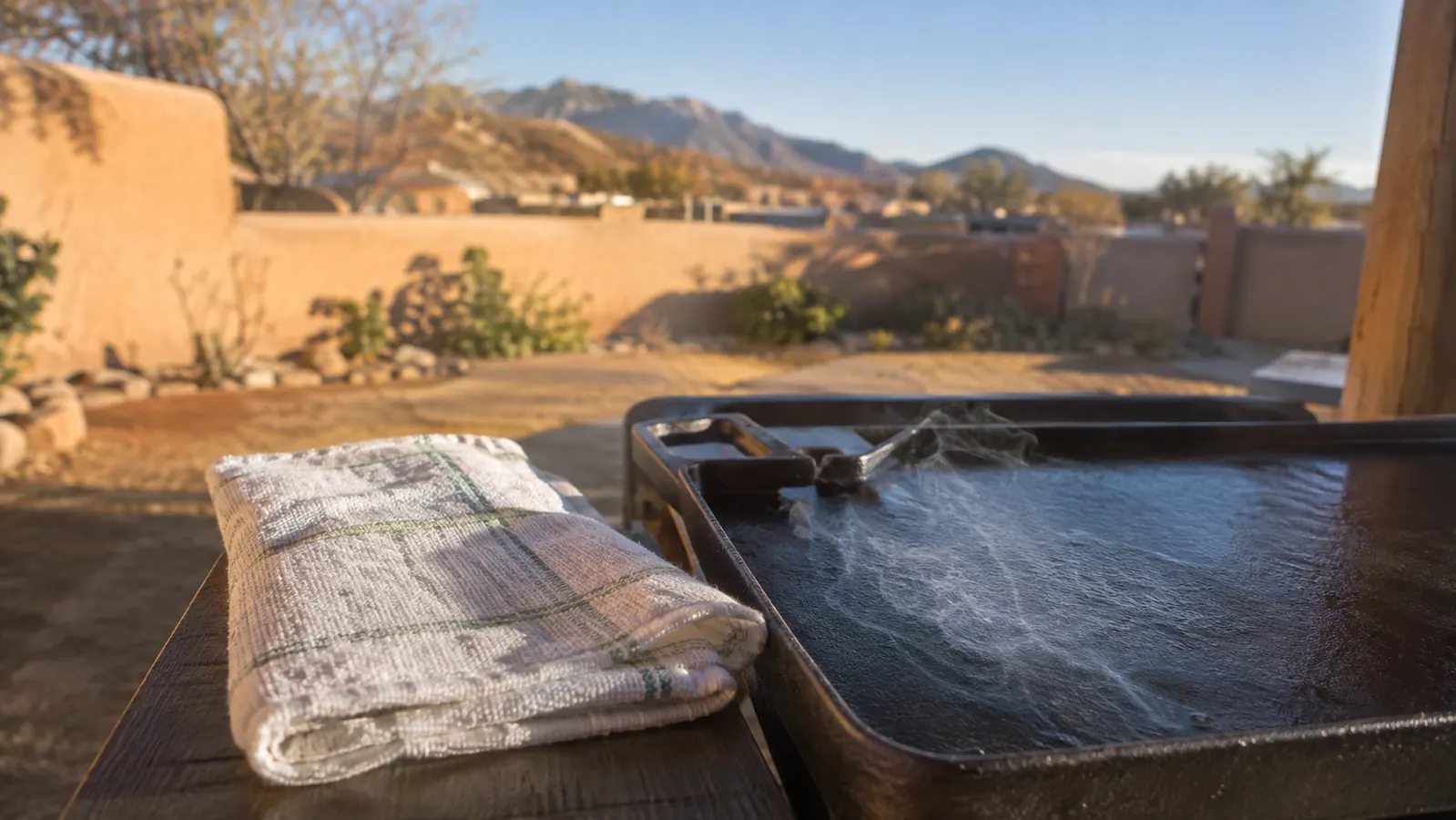
A step-by-step seasoning method built for a griddle that lives over charcoal heat, not a stovetop burner, tested on a Lodge reversible griddle at 5,000 feet.
The claims on the box, tested against an infrared thermometer, a bathroom scale, and a two-month notebook of every cook I actually ran.
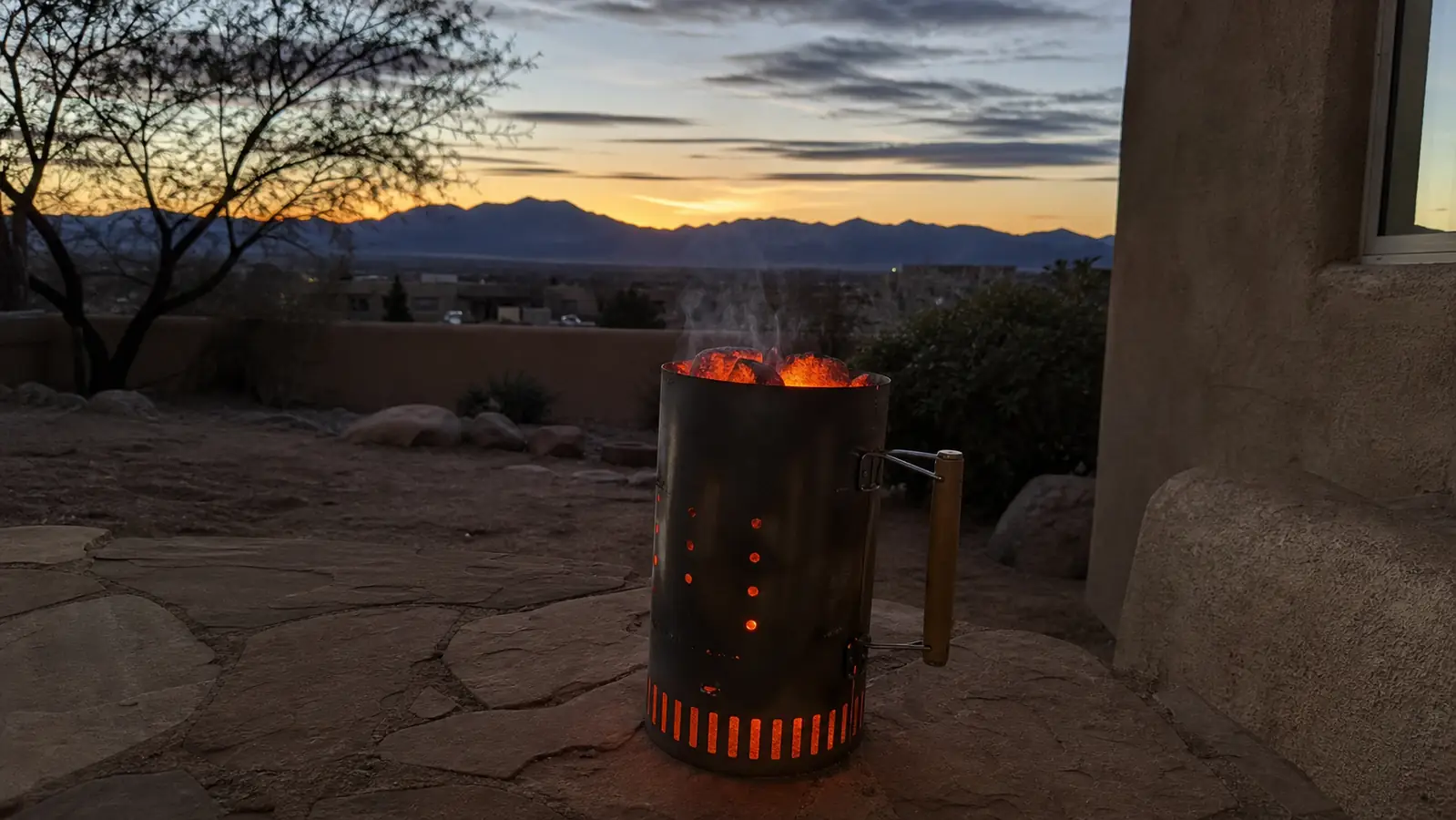
Roughly 180 lights over two grilling seasons at 5,000 feet, and what's actually holding up on a cheap piece of stamped steel.
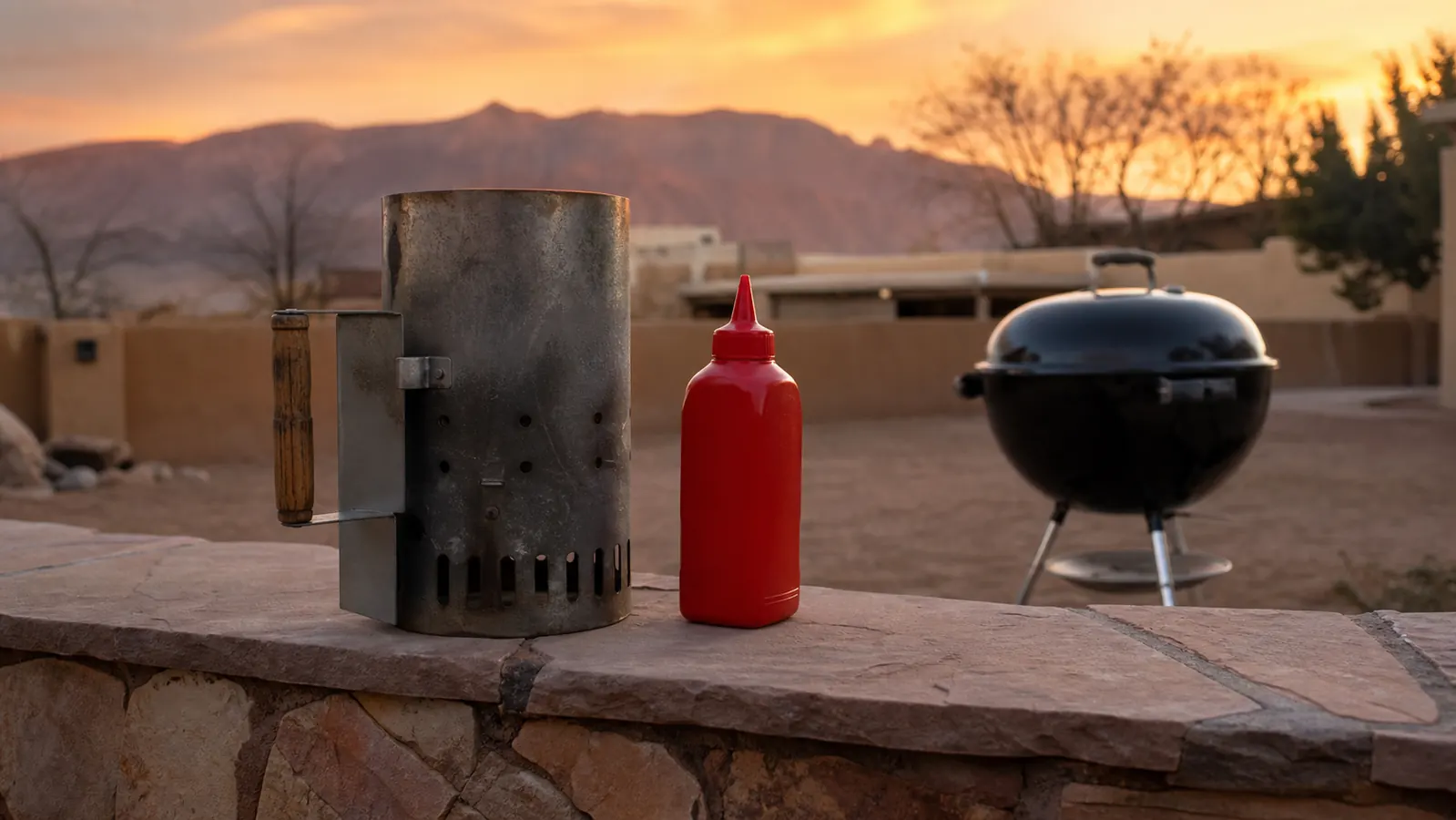
A timed, honest comparison of the Weber Rapidfire chimney starter against a bottle of lighter fluid, including the taste difference nobody mentions until it's already in your burger.
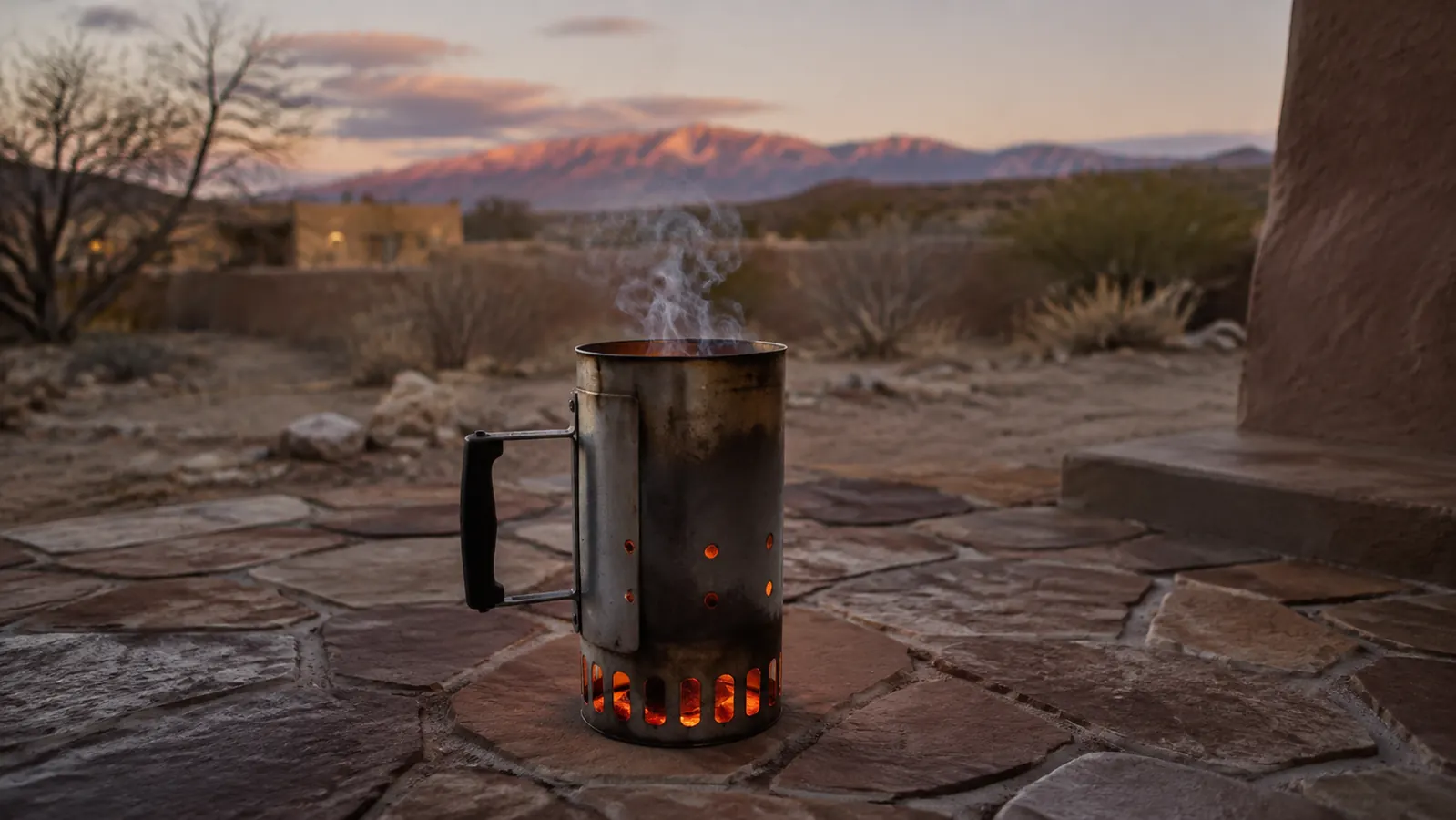
I put down the lighter fluid bottle in April 2024 and picked up a Weber Rapidfire chimney starter. Two grilling seasons later, here's everything that changed.
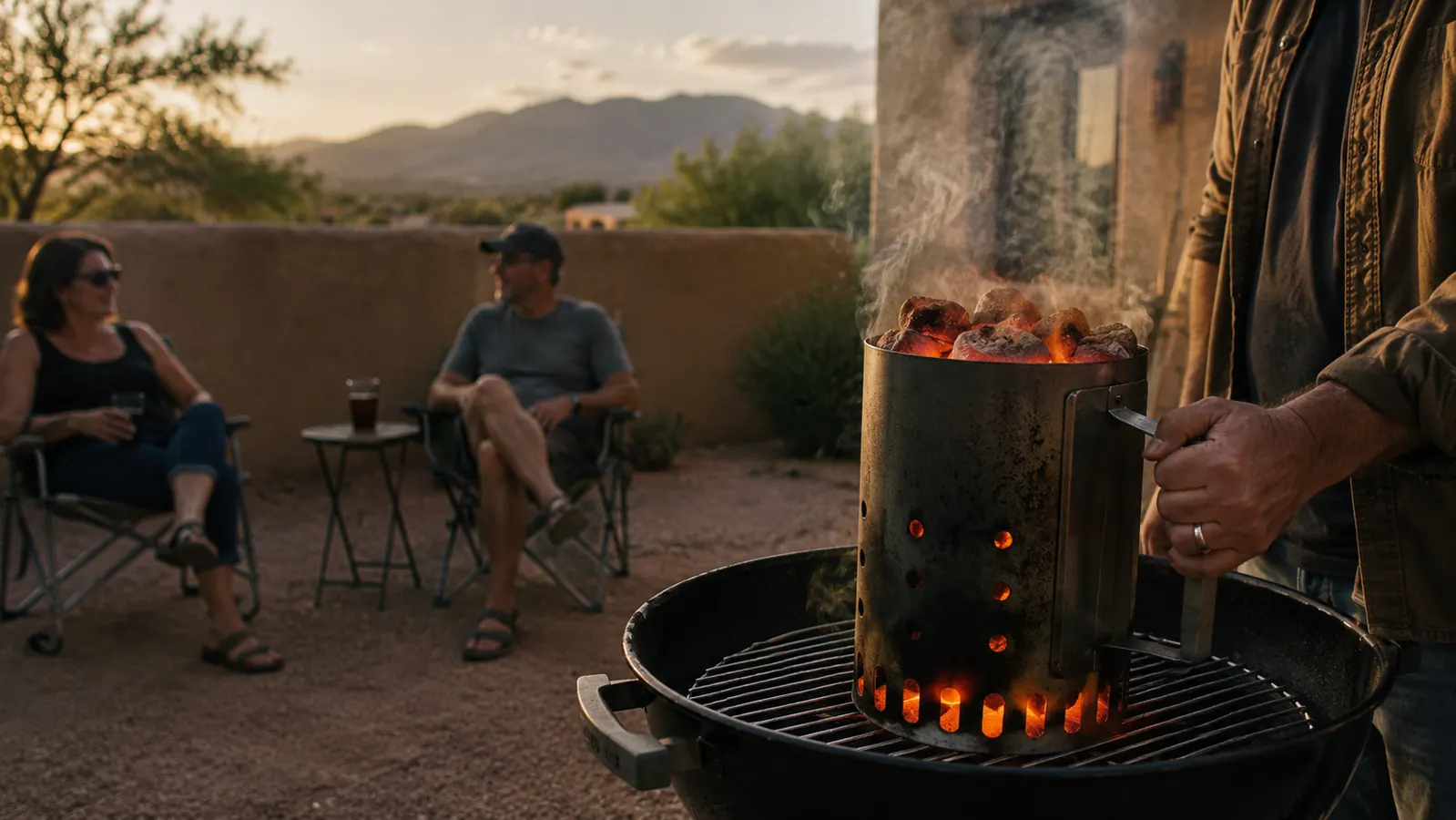
A singed eyebrow, a chemical-tasting plate of chicken, and forty minutes of waiting were what finally sent Wes looking for a better way to light charcoal.
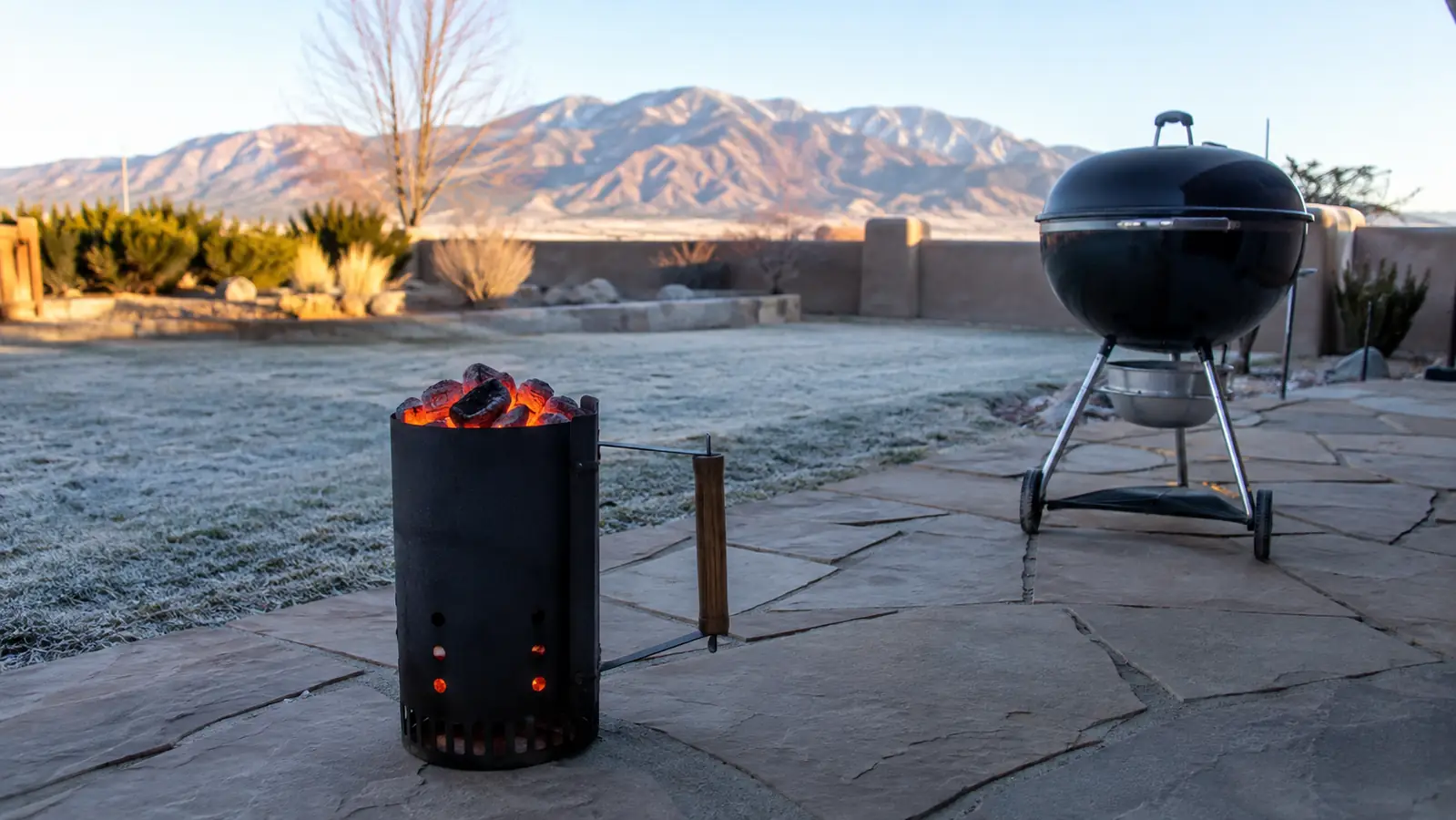
No lighter fluid, no lighter-fluid aftertaste. Here's the exact sequence I use with my Weber chimney starter to get fully ashed-over coals in under 20 minutes, even at 5,000 feet.
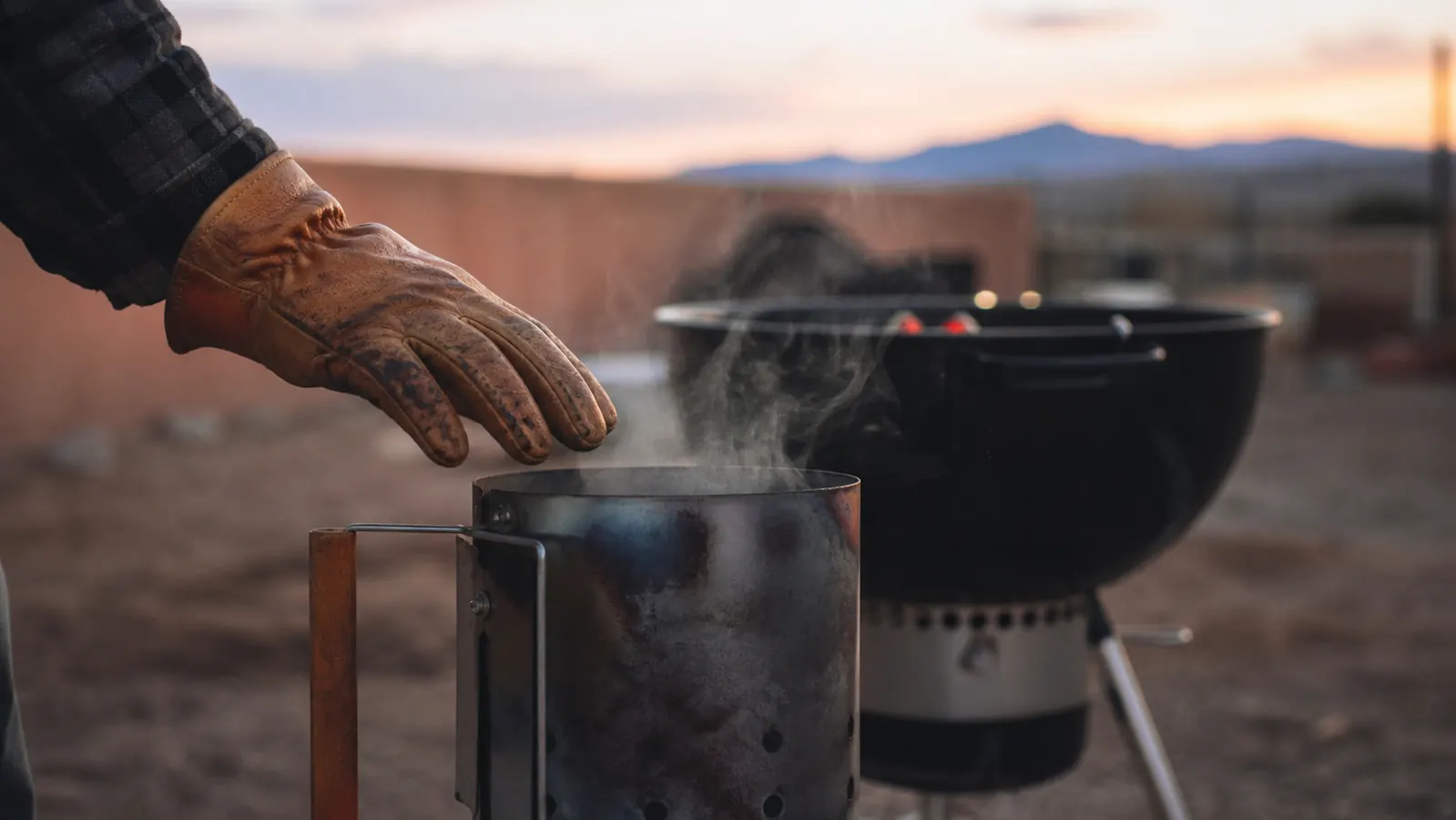
The claims that don't survive a real backyard: what the Weber Rapidfire actually does about handle heat, wind, and rust once you stop reading the box and start using the thing.
Twelve summers of cooking at 5,000 feet on the same Weber Original Kettle, and what's actually left to show for it.
A second, harder look: a real wind test against a budget kettle, an assembly mishap nobody mentions, and whether 'Premium' actually buys you anything over Weber's base kettle.
A full grilling season with the Inkbird IBT-4XS strapped to nearly every low-and-slow cook I ran, and the honest numbers on accuracy, range, and battery life.
The stuff about the Inkbird IBT-4XS that never made it into my first review: what the app doesn't tell you, what direct flame does to the probe boots, and why four probes is a bigger number than most kitchens actually use.
Nine bags of Traeger Hickory pellets, one pellet grill on an Albuquerque patio, and the real numbers on burn rate, ash, and smoke over a full season.
A second, more skeptical look at Traeger Hickory pellets against the mesquite and pecan blends Wes reaches for most, and what the bag doesn't tell you.
Fourteen months of smash burgers, eggs, and green chile on the same Lodge reversible griddle, run right on top of a kettle grill at 5,000 feet.
The claims on the box, tested against an infrared thermometer, a bathroom scale, and a two-month notebook of every cook I actually ran.
Roughly 180 lights over two grilling seasons at 5,000 feet, and what's actually holding up on a cheap piece of stamped steel.
The claims that don't survive a real backyard: what the Weber Rapidfire actually does about handle heat, wind, and rust once you stop reading the box and start using the thing.