
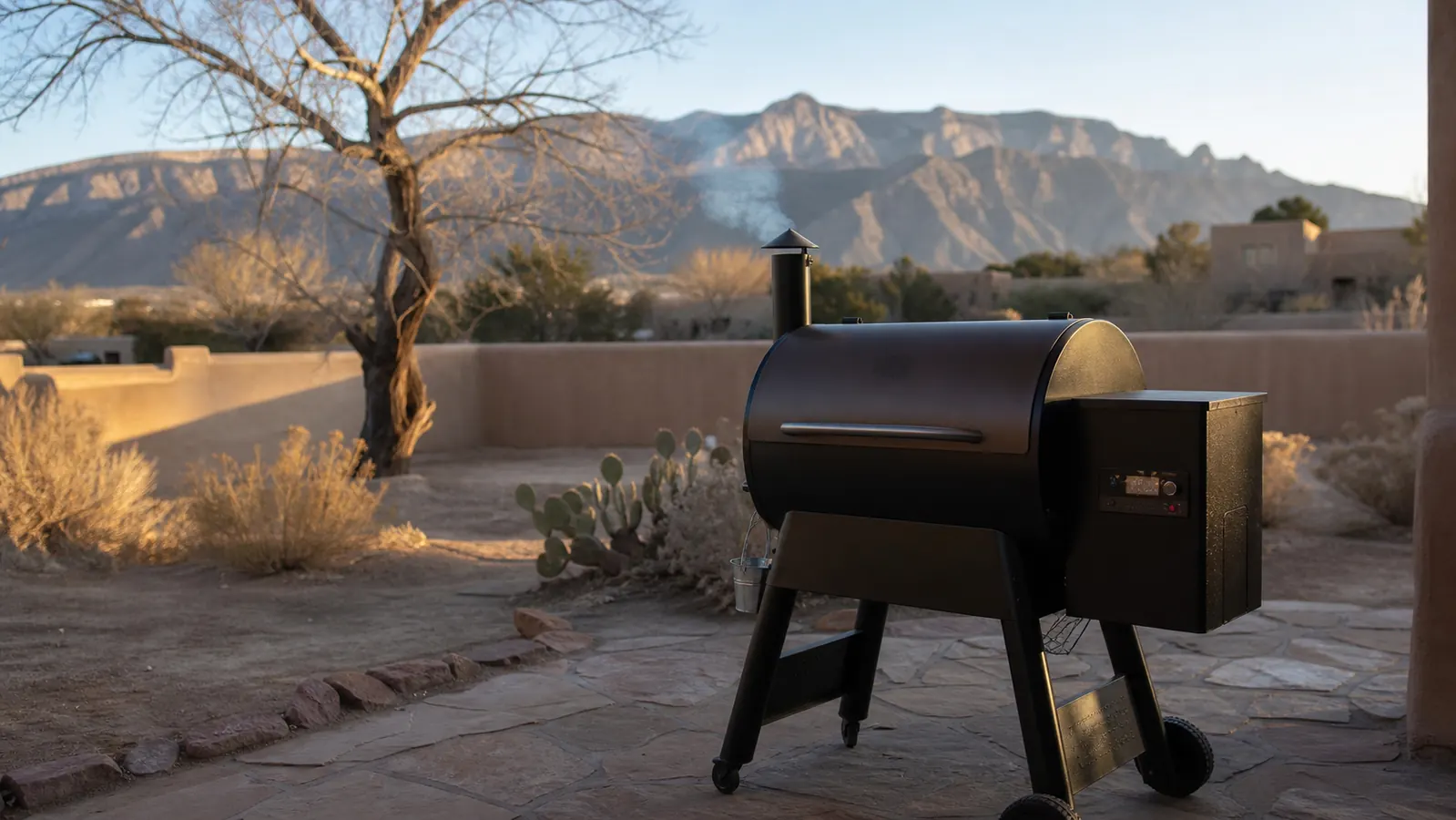
I started smoking on a stick burner years back, then added a pellet grill to my patio here in Albuquerque in 2021 for the overnight cooks I did not want to babysit through the night. The first bag I fed it was a store brand off a shelf on Central Avenue, and the smoke came out thick and a little sour more often than it came out clean. I switched to Traeger Hickory the next month, same grill, same cuts, same 5,000 foot altitude, and the difference showed up immediately in how the smoke smelled rolling off the stack, not just in how the meat tasted after.
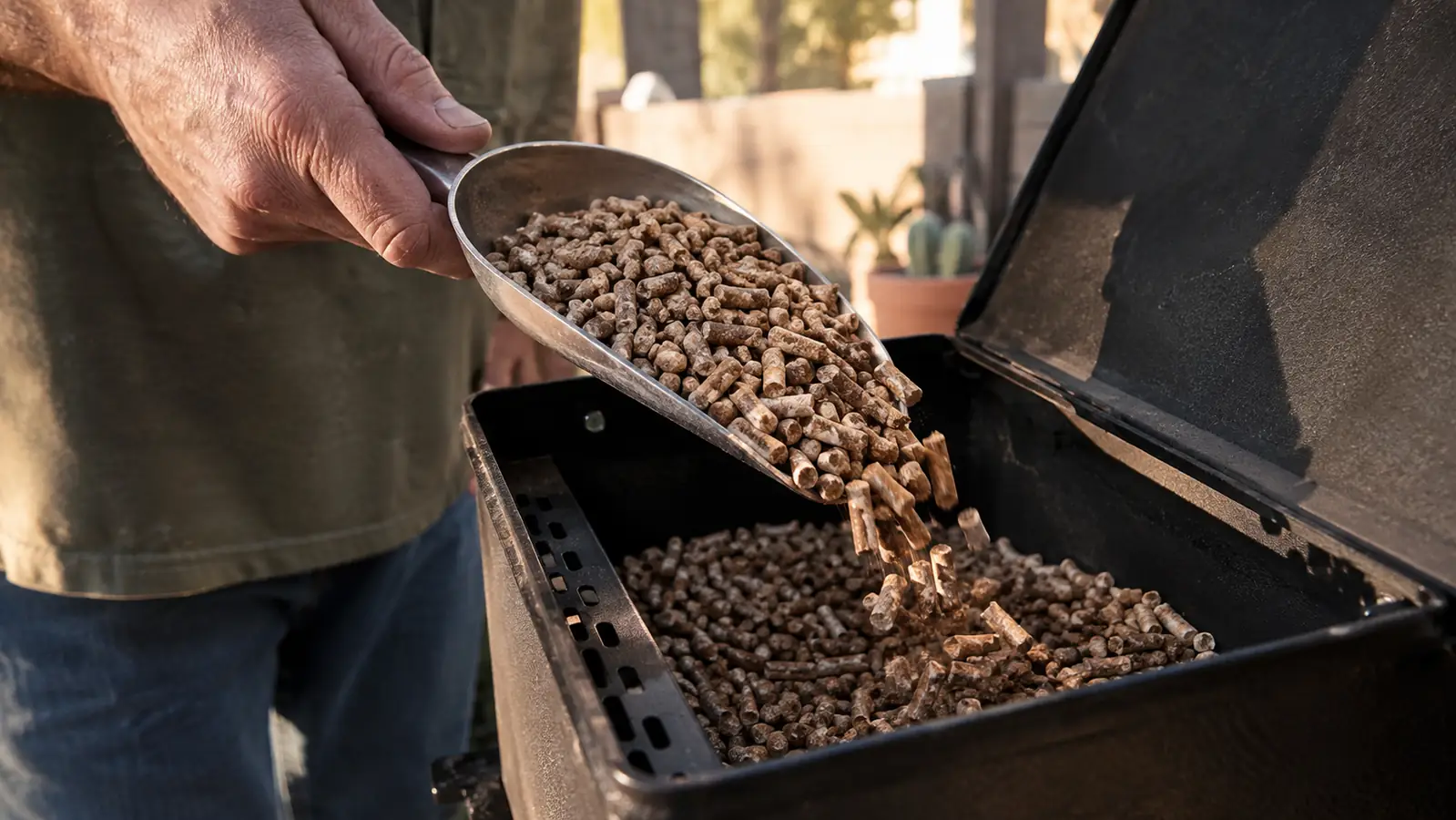
Flavor from smoke is not only about which wood species is printed on the bag. It is about how cleanly that wood actually burns once it hits the firepot. A hickory chunk on lump charcoal and a hickory pellet fed through an auger behave differently, because pellet quality controls moisture, density, and how much fine dust ends up smoldering at the bottom of your fire. I have run enough bags through my hopper to know that inconsistent pellets give you inconsistent smoke, cook to cook, even when the label lists the same species. Here are ten specific reasons a well made hardwood pellet like Traeger Hickory changes what lands on your plate.
Tired of Smoke That Smells Sour Instead of Clean?
Traeger Hickory is the bag I keep reordering because the smoke clears fast and stays thin and blue through a long cook. See today's price and judge the difference for yourself.
Amazon Check Today's Price on Amazon →A Single Species Means a Smoke Flavor You Can Predict
Traeger Hickory is 100 percent hickory, no oak or other filler species blended in to stretch the batch. That matters more than it sounds like it should, because a bag blended from two or three cheaper woods can taste noticeably different from one batch to the next. A pork shoulder I pulled off the smoker in March tasted the same as one I pulled in July, same bark, same smoke character, and that kind of repeatability only comes from a pellet that is not guessing at its own recipe.
Lower Moisture Gets You to Thin Blue Smoke Faster
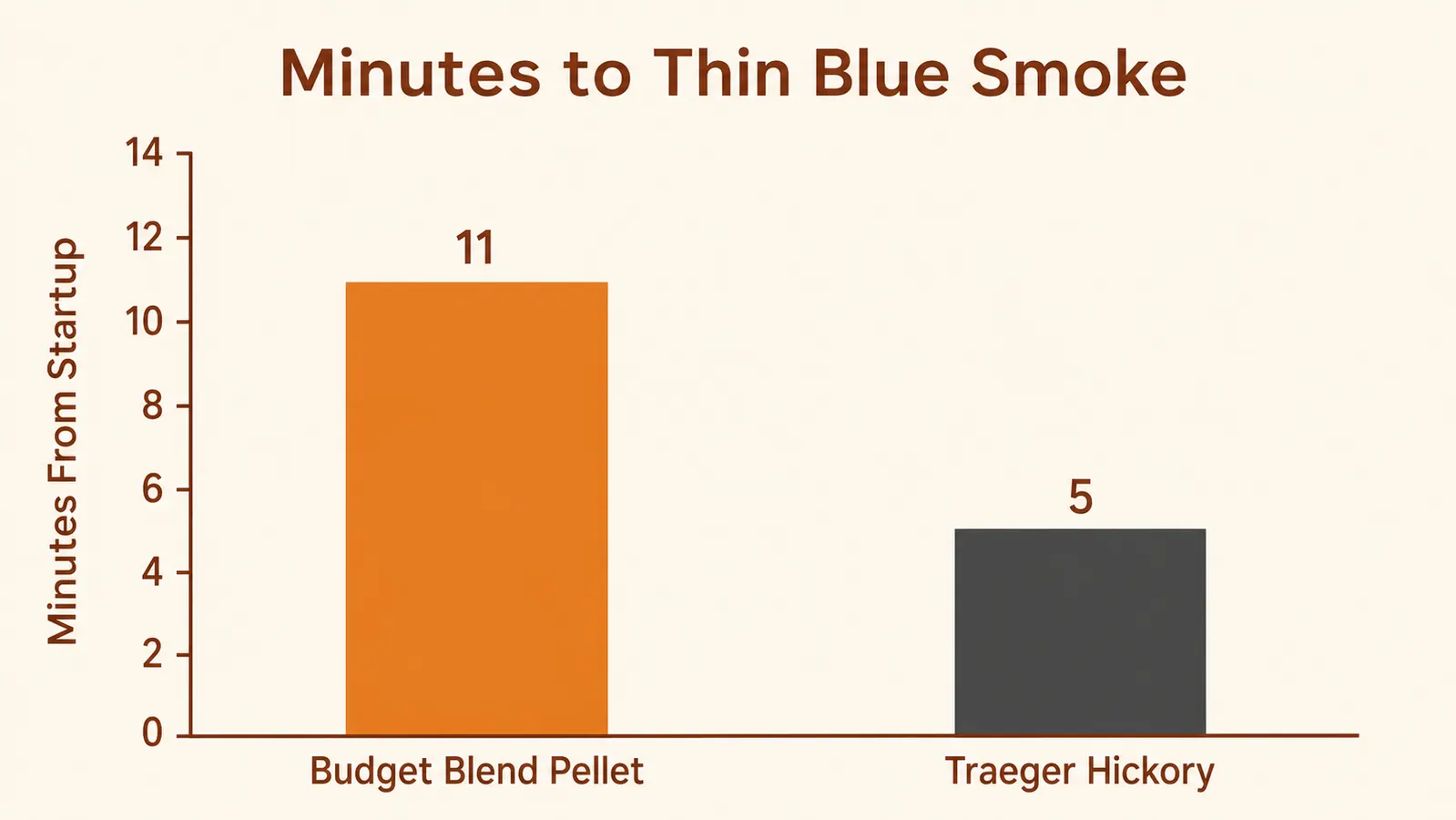
The smoke you want off a pellet grill is thin and almost invisible, not thick and white. Thick white smoke usually means the fire is smoldering instead of burning, and that leaves meat tasting acrid instead of smoky. A drier, well made pellet like Traeger Hickory clears to that thin blue state in about 5 minutes once the firepot is lit. A budget blend I tried one winter took closer to 11 minutes, and it puffed thick white smoke again mid cook whenever the auger fed a fresh clump.
Consistent Pellet Size Keeps the Auger Feeding Evenly
Every pellet in a good bag should be roughly the same length and diameter, which sounds minor until your auger jams on an oversized chunk halfway through an overnight brisket. Traeger Hickory has run consistent enough through my hopper that I have not had a jam-related temperature swing in months. A steady feed means a steady firepot, and a steady firepot is what actually produces a clean quarter-inch smoke ring on ribs and pork shoulder instead of a patchy one.
No Fillers or Binders Means No Off Flavors in the Smoke
I run a water test on every new bag I try. Good pellets sink and hold their shape for close to two minutes before starting to swell apart. A bag padded with sawdust or a weak binder falls apart almost as soon as it touches the water. Every bag of Traeger Hickory I have tested has passed that test the same way, and I have never gotten the sour, chemical smell out of the smoke that I got from a competing blend that failed the same test twice in one season.
Lower Ash Buildup Keeps the Fire From Choking on Itself
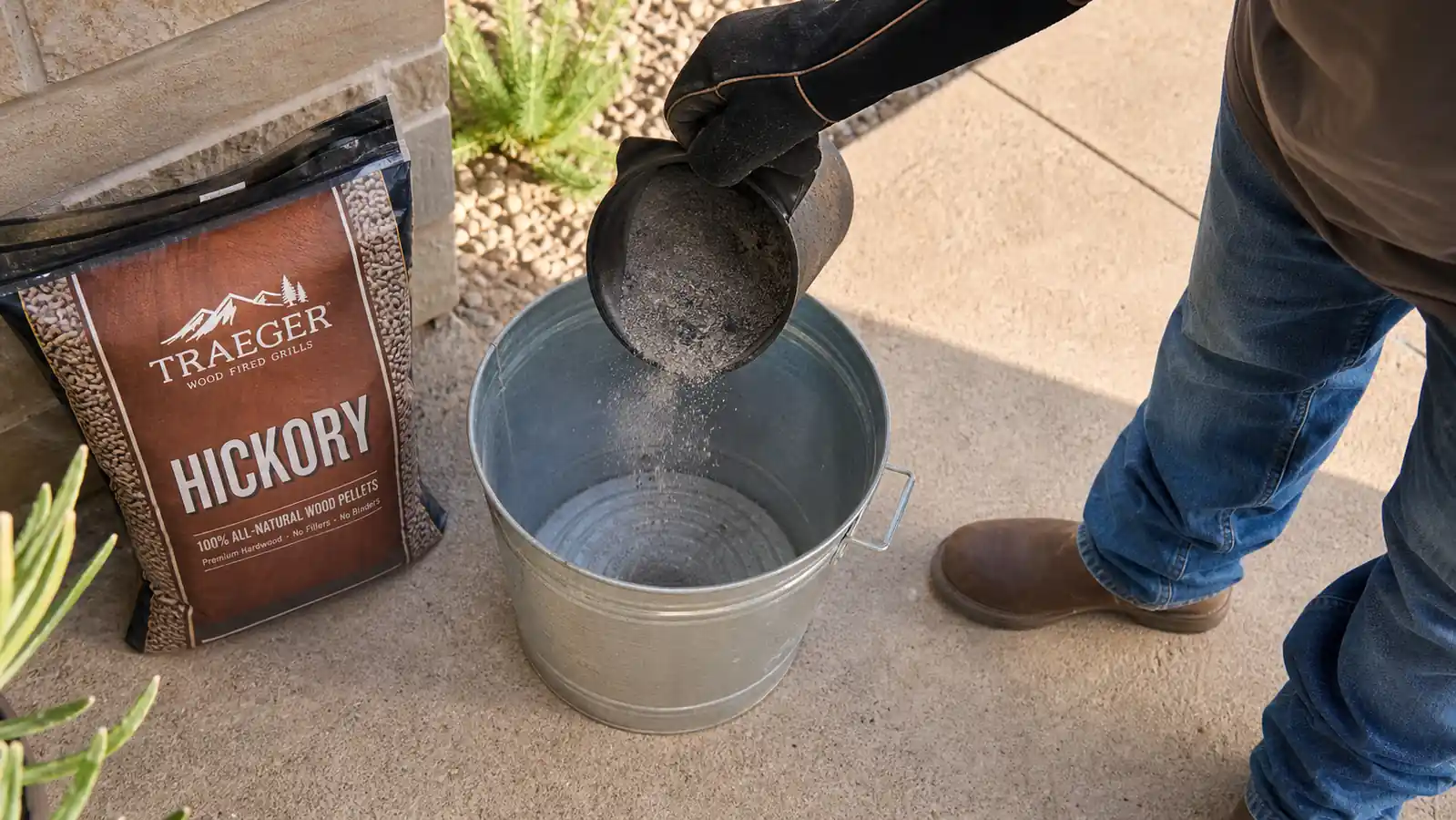
A firepot buried in ash cannot pull air the way it needs to, and a starved fire smolders instead of burning, which pushes flavor the wrong direction fast. After a typical 8 to 10 hour cook I am cleaning somewhere between a quarter cup and a half cup of fine gray ash out of the firepot when I run Traeger Hickory, low enough that I only do a full deep clean every four or five cooks. Less ash under the fire means less interference between the flame and the meat above it.
Amazon See the low-ash pellet that keeps the fire breathing →
Clean Combustion Matters More at 5,000 Feet
Thin, dry air up here changes how any fire burns, pellet grills included. My igniter needs a few extra seconds to get a coal glowing on a cold morning, and the controller's fan works harder to hold temperature than it would at sea level. A pellet with uneven moisture struggles more under those conditions, smoldering longer before it settles into a clean burn. Traeger Hickory has handled that altitude swing better than the two other brands I tried before switching, clearing to thin blue smoke on schedule whether it is 95 degrees or a cold 40 degree start.
It Holds Up in Storage Without Turning Musty
A pellet that soaks up humidity in the garage does not burn the same as one straight off the shelf, and that shows up as heavier, slower smoke and a duller flavor. I keep unopened bags of Traeger Hickory in a sealed plastic tote rather than stacked loose, and even a bag left through a humid week during monsoon season has not turned musty or clumpy the way a cheaper bag did when I left it in an open cardboard box one August. Consistent storage is part of why the flavor stays the same bag after bag.
Amazon See the pellet that stores well through humid weeks →
It Holds a Clean Burn Through a Long, Slow Cook
Flavor built over 12 or 14 hours only comes from a fire that stays steady that whole time, not just for the easy first stretch. A 9 pound pork shoulder I held at 225 degrees for 14 hours on Traeger Hickory kept producing that same thin blue smoke deep into hour ten, not just at the start, which is when a lesser pellet tends to drift toward thicker, harsher smoke as fines and moisture catch up with it. That late cook consistency is where a lot of cheaper bags fall apart.
Amazon See the pellet that holds steady through overnight cooks →
A Pure Hickory Base Lets You Layer in Other Woods
Because Traeger Hickory is not pre-blended, I can drop a chunk of mesquite in the firepot for a quicker, sharper sear on a flat iron steak, or swap the hopper over to pecan entirely when I am doing chicken that wants a milder, sweeter smoke. A pure single-species pellet gives you a known baseline to build from. A pre-blended bag locks you into whatever ratio the company decided on, and you never really know what you are adding to.
Amazon See the base pellet I build other flavors on top of →
The Proof Is in the Smoke Ring, Not the Marketing
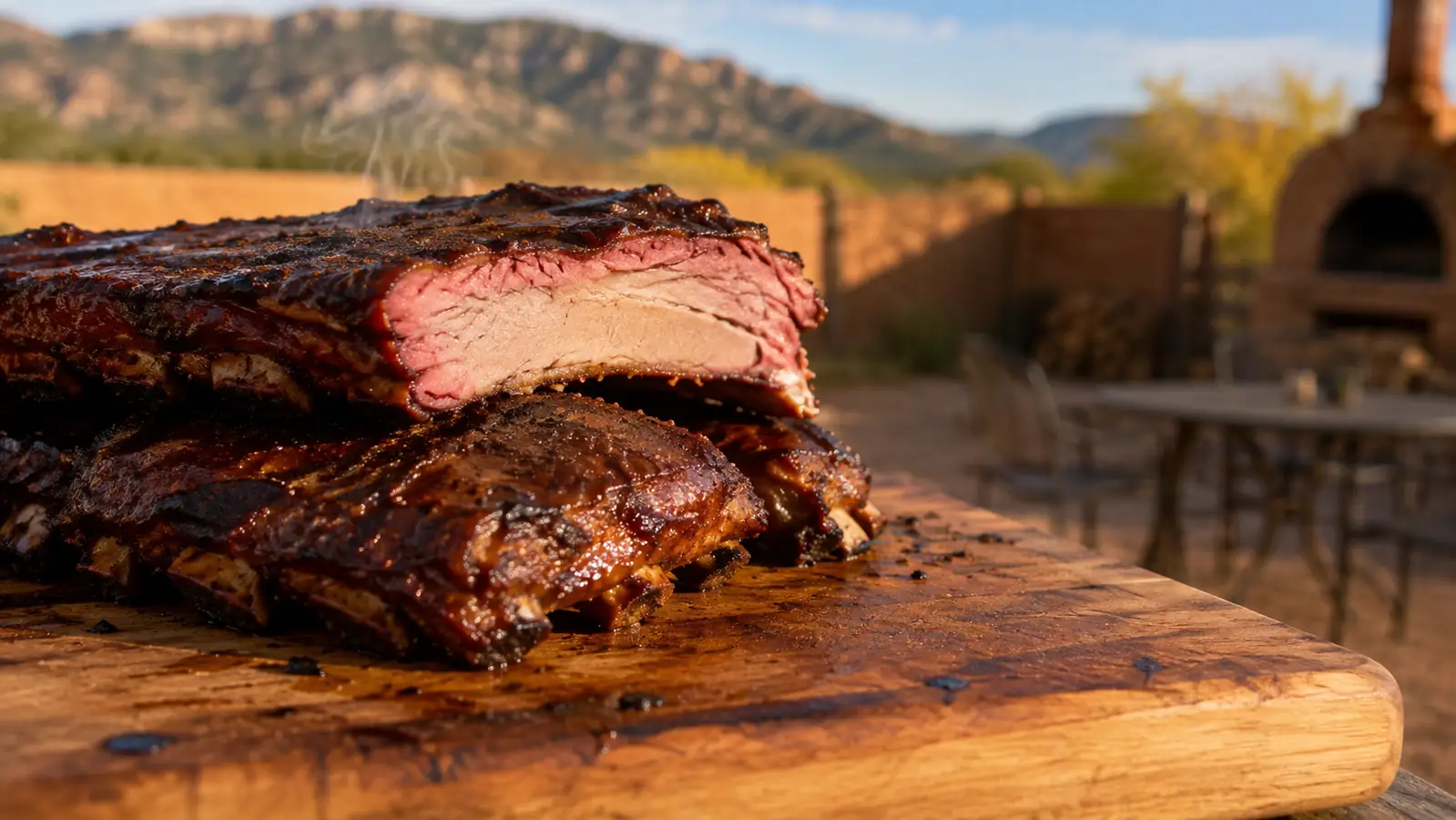
On the ribs I smoked for a Fourth of July cookout, running Traeger Hickory at 250 degrees for about 5 hours, I sliced one open and measured a smoke ring right around a quarter inch deep, the kind of result I expect from a clean burning hardwood pellet and rarely get from a cheaper bag on the same cook time. My neighbor asked what I did differently before I even mentioned the pellets. That is the actual test for me now, not what the bag claims, but what shows up when you cut into the meat.
Amazon See the pellet behind a real quarter-inch smoke ring →
What I'd Skip
I would not reach for a pellet grill at all for a fast, high-heat sear on a steak, a hot bed of charcoal or a cast iron pan does that job better and faster. I would also skip judging a bag by the prettiest label on the shelf. Run your own water test before you commit a whole hopper to a new brand, because I have been burned by good marketing and a bag full of sawdust more than once. And do not store an open bag loose in a cardboard box through monsoon season here in New Mexico, an airtight tote is worth the five dollars it costs.
The bag never tells you the truth. The smoke ring does.
The Pellet Behind Every Clean Smoke Ring I've Cut Into
Traeger Hickory is the bag that keeps clearing to thin blue smoke fast, holding steady through a 14-hour cook, and leaving less ash behind. See today's price on Amazon before your hopper runs dry.
Amazon Check Today's Price on Amazon →